
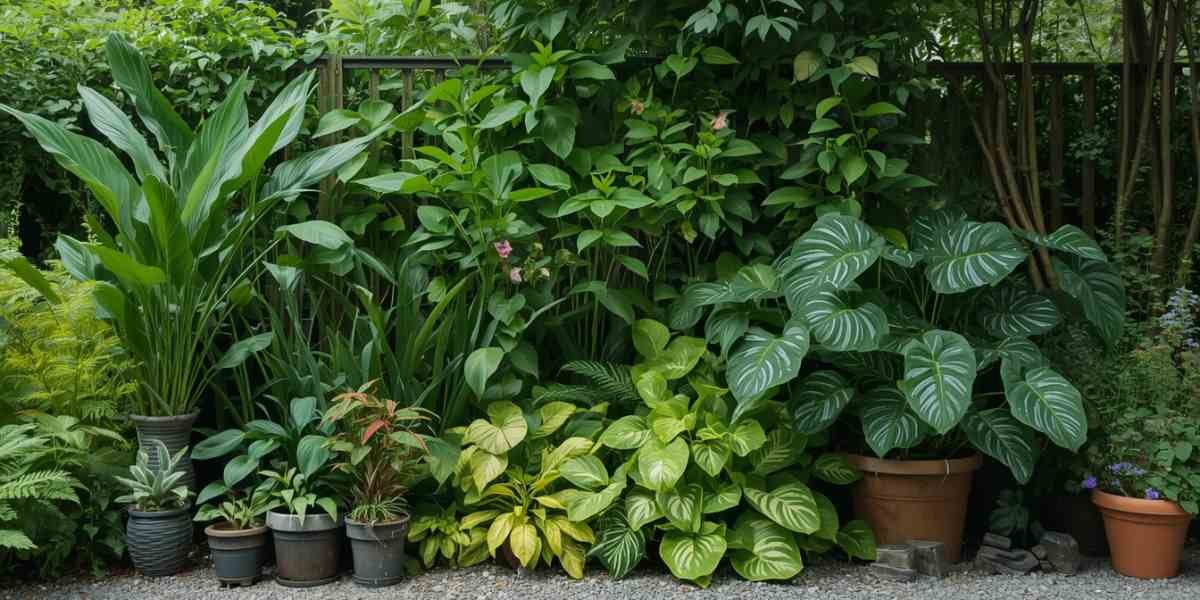
A shady patio, a north-facing balcony, or a garden corner that never quite catches the sun does not have to stay empty. Plenty of genuinely beautiful plants thrive in low light outdoors, and choosing the right ones can turn a dull, shaded space into one of the most lush and inviting parts of your home. The key is matching the plant to the actual light your space receives rather than fighting against it.
This guide covers the best low light outdoor plants for pots and garden beds, with the specifics that decide success in a real home garden: hardiness zones, pot sizes, watering amounts, and which shade plants are safe around dogs, and which popular ones are quietly toxic to them.
First, Measure Your Shade: Not All Low Light Is the Same
Shade is not one condition, and the difference between its types decides what will grow for you.
- Full shade: less than 3 hours of direct sun a day, and only dim indirect light the rest of the time. The space under a dense tree, or the ground beside a north-facing wall, is usually full shade.
- Partial shade: 3 to 6 hours of direct sun, ideally in the morning. Most plants sold as shade plants actually want this.
- Dappled shade: sunlight filtering through tree branches all day, never landing directly for long. This is the easiest shade of all; a wide range of plants thrive in it.
Before you buy anything, spend one day checking your space at breakfast, midday and late afternoon. Note roughly how many hours of direct sun each spot gets. A north-facing balcony or patio gets the most consistent low light; an east-facing one gets gentle morning sun and shade after, which many shade plants quietly prefer. Even one extra hour of morning sun opens up options that deep shade will not support.
Quick-Reference Table
| Plant | Best for | USDA zones | Water | Safe for dogs? |
|---|---|---|---|---|
| Begonia | Pots, baskets | 10-11 (annual elsewhere) | Keep evenly moist | No |
| Coral bells (heuchera) | Pots, bed edges | 4-9 | Moderate, let top dry | Yes |
| Ferns | Pots, beds | 3-11 by type | Keep moist | Yes (true ferns) |
| Coleus | Pots, beds | 10-11 (annual elsewhere) | Keep evenly moist | No |
| Caladium | Pots, beds | 9-11 (lift tubers in colder zones) | Keep moist, hates cold soil | No |
| Impatiens | Baskets, window boxes | 10-11 (annual elsewhere) | Keep evenly moist | Yes |
| Hosta | Beds, large pots | 3-9 | Regular, deep watering | No |
| Astilbe | Beds | 3-8 | Keep consistently moist | Yes |
| Bleeding heart | Beds | 3-9 | Moderate | No |
| Hellebore | Beds, pots | 3-9 | Moderate once established | No |
Read also: Can Peace Lilies Be Planted Outdoors? Everything You Need to Know Before Planting
Best Low Light Outdoor Plants for Pots and Containers
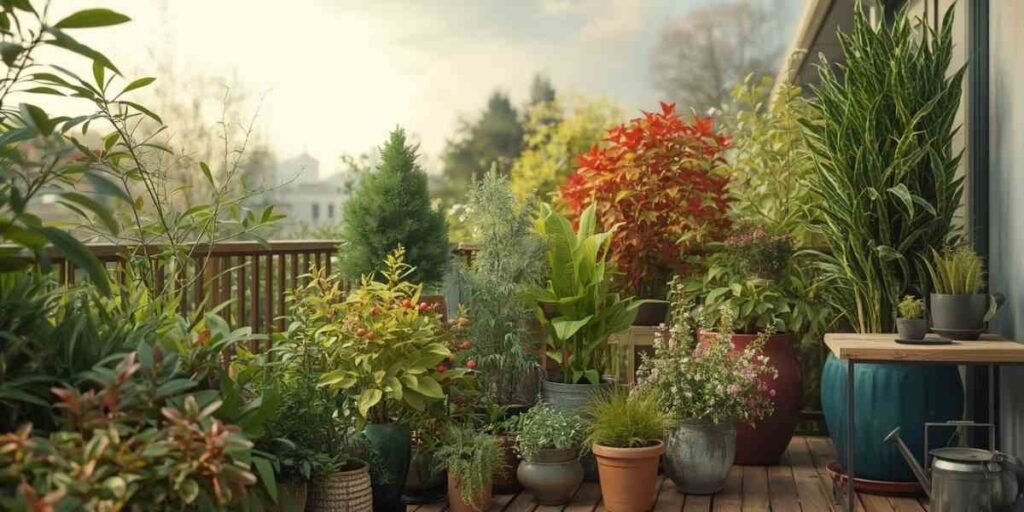
Containers in shade dry out more slowly than pots in full sun, so overwatering, not underwatering, is the usual killer. Use pots with drainage holes and a well-draining potting mix, and empty any saucer that stays full a day after watering.
Begonias
Begonias are one of the most reliable choices for shaded containers, offering striking foliage and near-continuous flowering through the warm months. Rex begonias are grown mainly for their dramatic patterned leaves, so they perform even in deeper shade where flowering plants stall. Use a pot at least 15 to 20 cm (6 to 8 inches) across per plant, keep the mix evenly moist, and treat them as annuals outside USDA zones 10 to 11, or bring pots indoors before the first frost.
Coral Bells (Heuchera)
Coral bells bring color to shade in a way few plants can, with foliage from deep purple and amber to silvery green depending on the variety. They are hardy perennials in zones 4 to 9, fit neatly at the front of a bed or in a medium pot, and ask only for moderate water: let the top 2 to 3 cm of soil dry between waterings.
Ferns
Ferns are the classic low light plant for good reason: their textured fronds love the cooler, consistently moist conditions shaded containers provide. Boston ferns (zones 9 to 11 outdoors, and the best-known dog-safe fern) fill hanging baskets on porches; hardier Japanese painted ferns (zones 3 to 8) bring silver and burgundy tones to beds and pots. Keep fern soil moist but never soggy.
Coleus
Coleus is one of the most adaptable plants for low light containers, with vivid patterned leaves in red, lime and burgundy that give instant color. It is a tender perennial in zones 10 to 11 and an annual elsewhere. Pinch the growing tips every few weeks: an unpinched coleus gets leggy and flowers, and flowering is the signal for the plant to decline.
Caladium
Caladiums grow for their paper-thin, painted leaves in white, pink and red, and they perform best on covered porches and patios that stay shaded but warm. Two specifics decide success: plant tubers only once the soil is warmer than about 18°C (65°F), because cold soil rots them; and in zones colder than 9, lift the tubers in autumn and store them dry indoors for spring. Hardy outdoors year-round in zones 9 to 11.
Impatiens
Impatiens give the longest flowering season of any shade annual and work especially well in hanging baskets and window boxes just outside direct sun. One caution most lists skip: the old standard impatiens suffered badly from downy mildew in many regions. New Guinea impatiens and SunPatiens types are resistant, so choose those and the problem mostly disappears. Hardy only in zones 10 to 11; grown as annuals elsewhere.
Low Light Outdoor Plants for Garden Beds
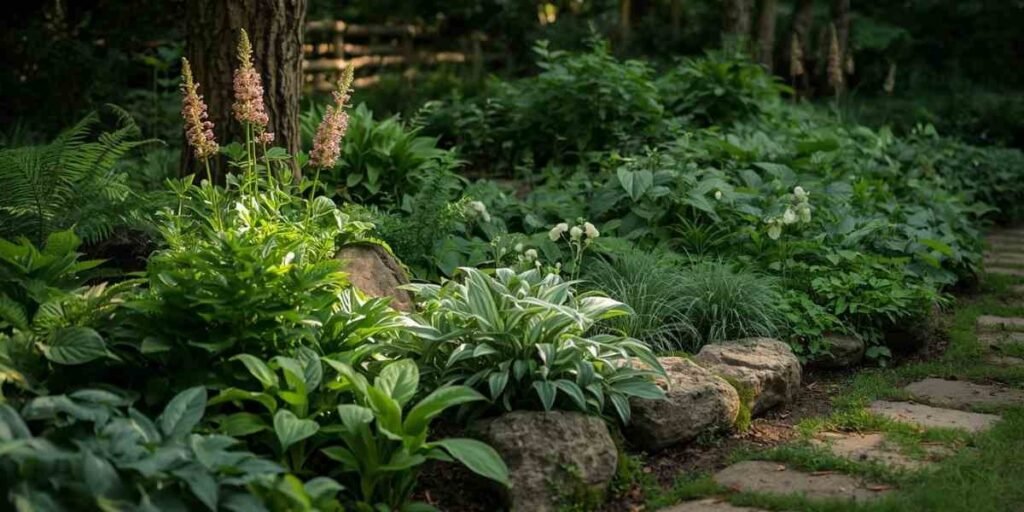
For beds rather than containers, larger, established shade perennials create structure that lasts for years.
Hostas
Hostas are the backbone of the shade garden, with bold foliage in countless variegated patterns, from compact 20 cm edging plants to specimens over a meter wide. Hardy in zones 3 to 9, they want regular deep watering and pair beautifully with finer textures like ferns or astilbe. Two honest cautions: slugs love them (check the undersides of leaves in the evening), and hostas are toxic to dogs and cats, so plant them away from areas where a dog roams unsupervised.
Astilbe
Astilbe brings feathery plumes in pink, red and white to shaded beds, adding height and movement against broad hosta leaves. Hardy in zones 3 to 8, it performs best in soil that stays consistently moist, which makes it the right pick for the shaded spot near a downspout or in a low area where other plants sulk.
Bleeding Heart
Bleeding heart produces arching stems of heart-shaped pink or white flowers in early spring, then naturally goes dormant in summer heat. Mark its spot and pair it with later-emerging plants like hostas or ferns so the bed never shows a gap. Hardy in zones 3 to 9. Note that all parts are toxic if eaten, so keep it out of a dog’s chewing range.
Hellebore
Hellebores are the shade garden’s winter gift: they flower in late winter and early spring, weeks before anything else, and their leathery evergreen foliage keeps a bed looking structured all year. Hardy in zones 3 to 9, drought-tolerant once established, and also toxic if eaten, so site them thoughtfully in a pet household.
Foamflower and Lungwort
Both work as low groundcover between taller plants, filling space and suppressing weeds in zones 3 to 8. Lungwort’s silver-spotted leaves carry the display even out of flower, and foamflower’s spring foam of white blooms is one of the shade garden’s quiet highlights.
Low Light Outdoor Plants Safe for Dogs, and the Toxic List Most Guides Skip
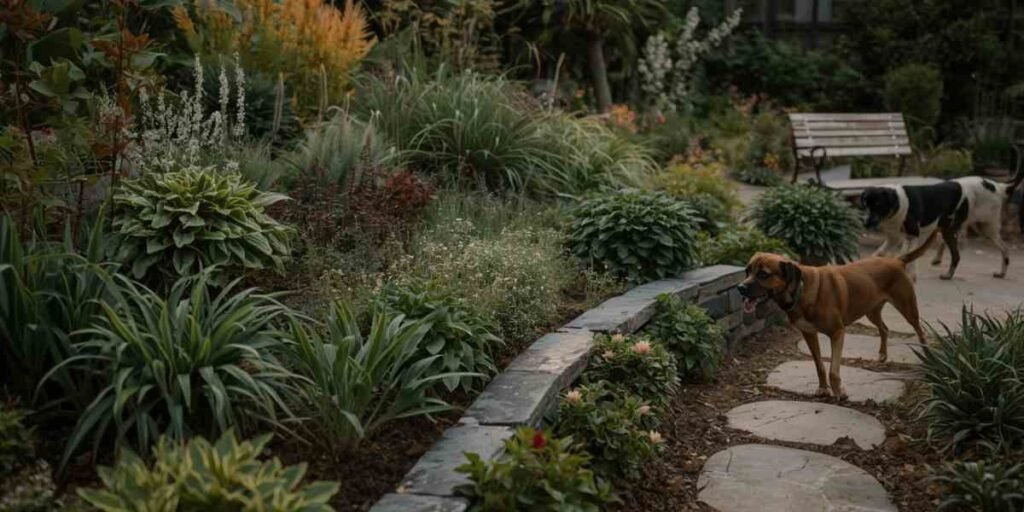
For pet owners, the plant choice matters as much as the light. These shade performers are considered non-toxic to dogs: Boston ferns and other true ferns, coral bells, impatiens, astilbe, African violets (on sheltered patios in warm climates), snapdragons, and the kitchen herbs basil and thyme, which tolerate partial shade and earn their keep twice.
Just as important is the other list, because several of the most popular shade plants are toxic if a dog chews them: hostas, caladiums, coleus, begonias, bleeding heart and hellebores. None of this means a dog household cannot grow them; it means putting them in raised pots, hanging baskets or a bed the dog cannot wander through, and knowing which list each plant sits on before it goes in the ground.
Low Light Outdoor Plants by Region
Climate decides which shade plants genuinely thrive, because a plant that loves shade in one region may be fighting heat, humidity or frost in another.
Florida and the Gulf Coast
In warm, humid conditions, caladiums and impatiens perform exceptionally well in shade, because they prefer exactly that consistent warmth and moisture. Ferns thrive here too, often growing more vigorously than in drier climates.
Pacific Northwest
Naturally shaded, moist conditions make this one of the best regions for classic shade plants: hostas, astilbe and ferns are at home in woodland-style gardens and need minimal extra care once established.
California
Success depends on the microclimate. Coastal and northern areas with mild temperatures support hellebores, heuchera and bleeding heart, while hotter inland gardens do better with heat-tolerant shade plants like begonias and coleus.
Texas
Inland Texas asks a plant to tolerate low light and intense summer heat at the same time. Coleus and caladiums handle that combination well, as does Japanese forest grass, a graceful shade grass that copes with humidity better than many traditional perennials.
United Kingdom
The UK’s cool, consistently moist climate suits woodland shade plants particularly well: hostas, ferns and foxglove all perform reliably. Foxglove, though, is highly toxic, so it belongs on the keep-away-from-dogs list above, not in a pet’s reach.
Australia
In warmer states, shade plants must handle reduced light and serious heat together. Begonias and ferns remain reliable, and native Australian shade-tolerant species are increasingly popular for low-maintenance, climate-appropriate plantings.
How to Care for Low Light Outdoor Plants
Even shade-tolerant plants have care needs that differ from sun-loving varieties, and the basics below are where shaded plantings usually succeed or fail.
- Water by checking, not by calendar. Push a finger 5 cm (2 inches) into the soil; water only if it feels dry at that depth. Shaded soil holds moisture far longer than sunny soil, and root rot from kind, frequent watering is the most common cause of failure in shade containers.
- Water deeply and less often rather than little and often. A thorough soak encourages deeper roots; a daily sprinkle keeps roots shallow and weak.
- Feed containers monthly in the growing season with a balanced fertilizer at half the label strength. Shade plants grow slower and need less food than sun plants, and overfeeding produces soft, slug-prone growth.
- Mulch beds with 5 to 7 cm of bark or leaf mulch. It keeps shade soil evenly moist, cools roots in hot regions, and cuts weeding.
- Pinch and tidy: pinch coleus tips, deadhead impatiens if they get scraggly, and remove slug-damaged hosta leaves so the plant’s energy goes to new growth.
- Plan for winter. Tender pot plants (begonias, caladiums, coleus, impatiens) come indoors or are replaced each year outside their hardy zones; hardy perennials in pots survive winter best grouped in a sheltered corner, where the pots insulate each other.
Common Mistakes With Shade Plants
- Treating all shade as identical. A plant that fails in full shade often thrives two steps away in dappled light. Move the pot before you blame the plant.
- Overwatering on a schedule. In shade, the calendar lies; the finger test does not.
- Planting caladiums into cold spring soil. Wait for warmth, or the tubers rot before they sprout.
- Ignoring the toxic list in a dog household, then blaming the dog. Site toxic plants out of reach from day one.
- Giving up on flowers. Impatiens, begonias, astilbe, bleeding heart and hellebores all flower in shade; a foliage-only shade garden is a choice, not a limit.
Final Thoughts
The plants that thrive in low light bring textures, foliage colors and a quiet, lush quality that sun-loving plants rarely achieve, turning an overlooked corner of the home into one of its most interesting features. Whether you are filling a north-facing balcony with coleus and ferns, building a shade bed with hostas and astilbe, or choosing dog-safe options for a family patio, start by measuring the light your space actually gets, choose from the right list, and the rest tends to fall into place.
If your shaded spot is indoors rather than out, our guide to the best indoor plants for a low light bedroom covers the houseplant side of the same problem.
Frequently Asked Questions
What are the best low light outdoor plants for a shaded balcony?
Coleus, begonias and ferns suit balcony containers best: they tolerate low light, handle container conditions well, and do not need the deep root space that bed plants want. Boston ferns in a hanging basket free up floor space on a small balcony.
Which low light outdoor plants are safe for dogs?
Boston ferns and other true ferns, coral bells, impatiens, astilbe, African violets and snapdragons are considered non-toxic to dogs. Keep hostas, caladiums, coleus, begonias, bleeding heart and hellebores out of a dog’s reach, because those are toxic if chewed.
How much light does “low light” actually mean?
Low light covers everything from partial shade (3 to 6 hours of direct sun) to full shade (under 3 hours, with only indirect light the rest of the day). Most plants sold for shade do best in partial or dappled shade; true full shade supports a shorter list, led by ferns, hostas and hellebores.
Can outdoor shade plants actually flower, or are they all foliage?
Several flower well in shade: impatiens and begonias flower all summer, astilbe blooms in early to mid-summer, bleeding heart in spring, and hellebores in late winter. A shade garden can have something in flower for most of the year if you combine them.
Why are my shade plants getting tall and leggy?
Legginess usually means the spot is darker than the plant tolerates, or a coleus has not been pinched. Try moving the pot a step or two toward brighter indirect light first; if the plant stretches within a few weeks, it was a light problem, not a feeding problem.
What do I do with low light plants in pots over winter?
If the plant is tender (begonia, caladium, coleus, impatiens), bring it indoors before the first frost or treat it as an annual. Hardy perennials in pots (hostas, heuchera, ferns, hellebores) can stay outside in their zones if you group the pots in a sheltered corner and water them lightly during dry winter spells.

Hi, I’m Ashir Zahid! I’m a home décor writer and creative enthusiast who loves finding simple and beautiful ways to make everyday spaces feel more comfortable and inviting. I enjoy exploring home styling ideas, practical decorating tips, and timeless trends that can work in real homes without making things feel complicated.
At DailyHomeVibe, I share easy-to-follow ideas for decorating different rooms, choosing the right colors and textures, and giving your home a fresh look with thoughtful details. My goal is to help readers find inspiration they can actually use, whether they are refreshing one small corner or giving their whole home a new feel.