

Snake plants are one of the easiest indoor plants to grow because they require very little maintenance and adapt well to different environments.Many beginners prefer snake plants because they survive even with minimal attention.
These low-maintenance houseplants are also highly durable. Whether you place them in bedrooms, living rooms, or small indoor corners, snake plants can thrive beautifully when given the right balance of light, water, and care.
How to Care for a Snake Plant Indoors the Right Way
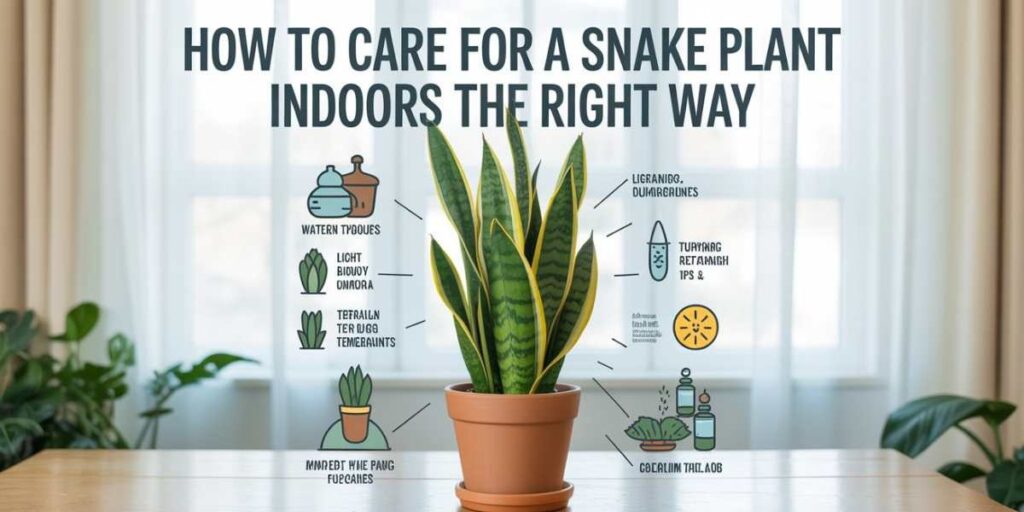
Learning how to care for a snake plant indoors starts with understanding its simple needs. Snake plants prefer indirect sunlight, light watering, and well-draining soil. Unlike many houseplants, they do not require constant moisture, which makes them ideal for busy homeowners.
Indoor snake plant care becomes much easier when you avoid overwatering. The roots storemoisture naturally, so letting the soil dry out between waterings helps keep the plant healthy and strong for long-term growth.
Best Lighting for Indoor Snake Plants

Snake plants grow best in bright indirect light, but they can also survive in low-light indoor conditions. This flexibility is one reason they are considered one of the best beginner-friendly houseplants for apartments and offices.
Although snake plants tolerate shade, moderate sunlight helps the leaves stay vibrant and upright. Avoid exposing the plant to harsh direct afternoon sunlight because it can dry or damage the leaves over time.
How Often to Water a Snake Plant Indoors
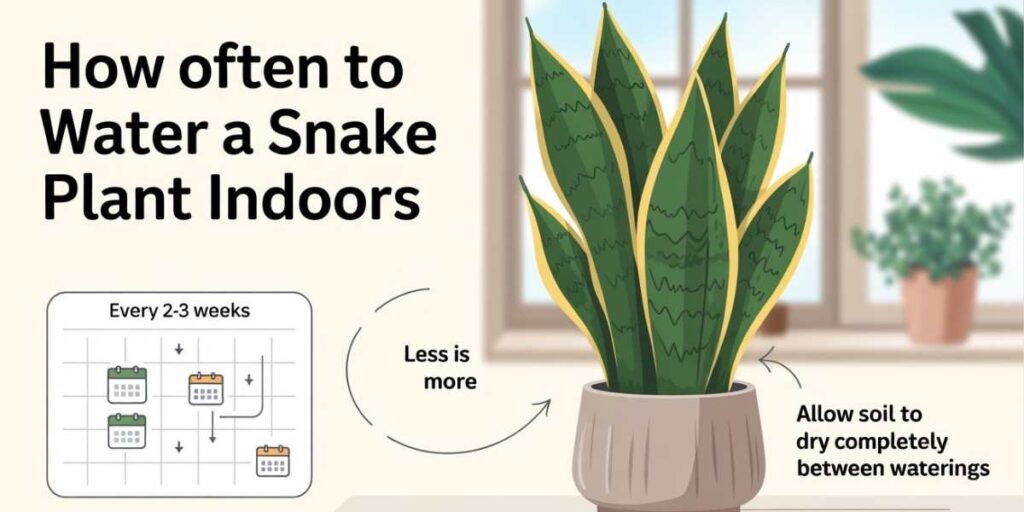
Snake plants only need watering when the soil becomes completely dry. In most indoor environments, watering every two to three weeks is usually enough.
Always check the soil before watering because soggy soil can quickly lead to root rot and yellow leaves.
How to Take Care of Snake Plant in Water
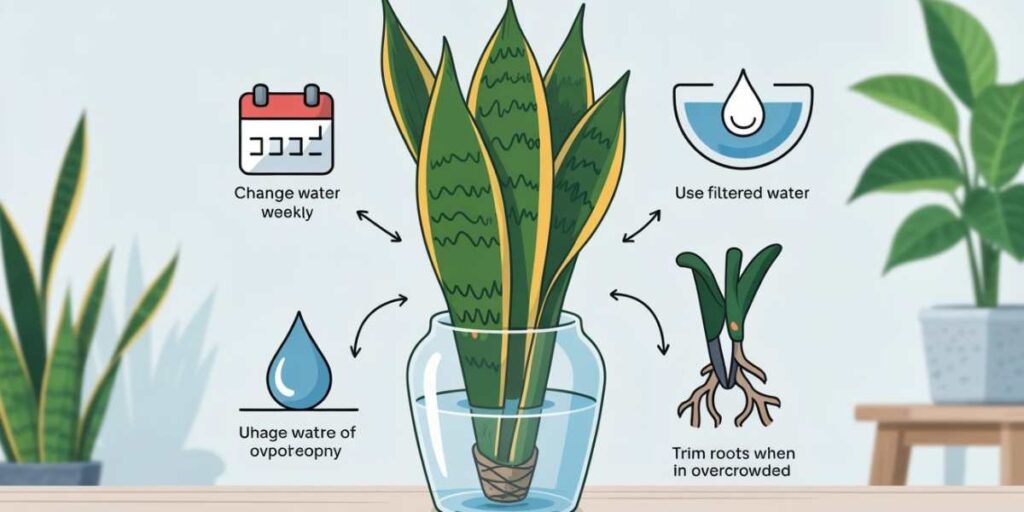
Many people also grow snake plants in water instead of soil. To care for a snake plant in water, place healthy cuttings in a clean glass container with enough water to cover the roots only. Change the water every few days to prevent bacteria buildup.
Growing snake plants in water creates a clean and decorative indoor look. However, healthy roots and fresh water are important for preventing plant decay and maintaining steady growth.
Best Soil for Healthy Snake Plant Growth
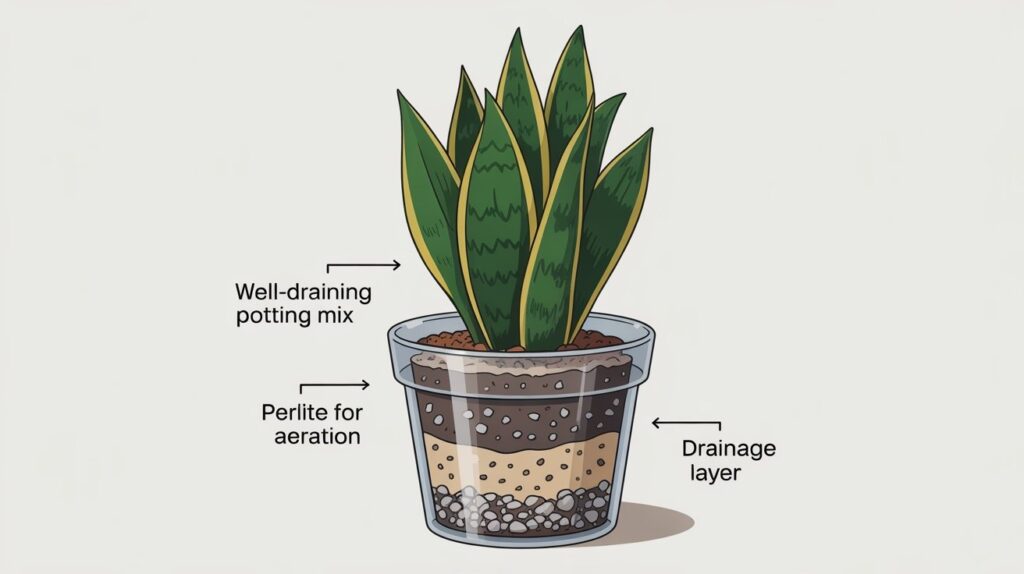
Snake plants need well-draining soil that prevents excess moisture from staying around the roots. Cactus soil or succulent potting mix works especially well because it allows better airflow and drainage.
Heavy soil that stays wet for too long can damage the plant quickly. Choosing the right potting mix helps improve root health and supports stronger indoor growth throughout the year.
How to Plant Snake Plant Properly
Knowing how to plant a snake plant correctly can improve growth and prevent future problems. Choose a pot with drainage holes and fill it with loose, well-draining soil before placing the plant carefully inside.
Do not bury the leaves too deeply because this may trap moisture around the base. After planting, allow the soil to settle naturally and avoid overwatering immediately.
How to Trim a Tall Snake Plant
Over time, some snake plants may become very tall or slightly uneven. Learning how to trim a tall snake plant helps maintain a cleaner and healthier appearance indoors. Use clean scissors or garden shears to cut damaged or overgrown leaves near the base.
Trimming also encourages healthier growth by removing weak or aging leaves. Always make smooth cuts to reduce stress on the plant and maintain its natural shape.
What to Do with an Overgrown Snake Plant indoors
An overgrown snake plant may start spreading outside the pot or producing crowded leaves. In this situation, dividing the plant into smaller sections is usually the best solution. Repotting gives the roots more space and improves airflow around the plant.
Overgrown snake plants can also become heavy and unstable. Using a slightly larger pot with fresh soil helps restore healthy growth and improves the overall appearance of the plant indoors.
Snake Plant Fertilizer Tips for Indoor Growth
Snake plants do not require heavy fertilizing, but occasional nutrients can support stronger leaf growth. A balanced indoor plant fertilizer used once every few months during spring and summer is usually enough.
Avoid using too much fertilizer, as excessive nutrients can damage the roots or weaken the leaves. Gentle feeding works best for maintaining healthy indoor snake plants naturally.
Common Snake Plant Problems and Solutions
Yellow leaves, soft roots, and drooping stems are often signs of overwatering. Most indoor snake plant problems occur because the soil stays too wet or the plant has poor drainage.
Brown leaf edges may appear because of dry air or direct sunlight exposure. Identifying problems early helps prevent long-term damage and keeps the plant healthy year-round.
Benefits of Keeping Snake Plants Indoors
Snake plants are popular indoor houseplants because they improve home aesthetics while requiring very little maintenance. Snake plants are often said to purify the air, but studies show the effect in a normal home is very small; their real strengths are how hardy and low-maintenance they are, and they can also survive in low-light environments.
Their modern appearance works beautifully in bedrooms, offices, hallways, and living spaces. Snake plants are ideal for people who want greenery indoors without complicated care routines.
Final Thoughts on Indoor Snake Plant Care
Learning how to care for a snake plant indoors is simple once you understand its basic needs. Proper lighting, occasional watering, good drainage, and light maintenance can help the plant stay healthy for many years.
Whether you are a beginner or experienced plant owner, snake plants are one of the best low-maintenance indoor plants for creating a fresh, modern, and relaxing home environment.
FAQs
1. How often should I water a snake plant indoors?
Most indoor snake plants only need watering every two to three weeks after the soil becomes completely dry.
2. Can snake plants survive in low light?
Yes, snake plants can survive in low-light indoor spaces, although moderate indirect sunlight helps them grow better.
3. Why are my snake plant leaves turning yellow?
Yellow leaves are usually caused by overwatering or poor soil drainage around the roots.
4. How do I fix an overgrown snake plant indoors?
You can divide and repot an overgrown snake plant into separate containers to improve growth and appearance.
5. Can I grow a snake plant in water?
Yes, snake plants can grow in water if the roots stay clean and the water is changed regularly.

Hi, I’m Ashir Zahid! I’m a home décor writer and creative enthusiast who loves finding simple and beautiful ways to make everyday spaces feel more comfortable and inviting. I enjoy exploring home styling ideas, practical decorating tips, and timeless trends that can work in real homes without making things feel complicated.
At DailyHomeVibe, I share easy-to-follow ideas for decorating different rooms, choosing the right colors and textures, and giving your home a fresh look with thoughtful details. My goal is to help readers find inspiration they can actually use, whether they are refreshing one small corner or giving their whole home a new feel.