
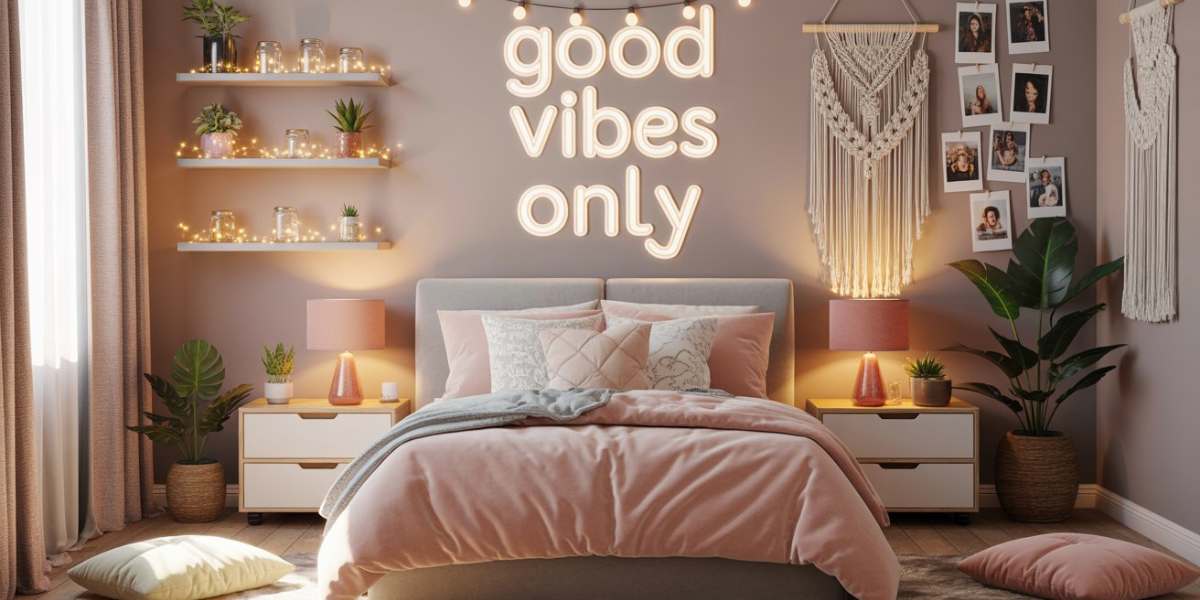
“Aesthetic” rooms online look effortless because they all follow one rule the random-cute-stuff approach misses: a single named style, a tight palette, and lighting that matches. A room with fairy lights and posters from five different vibes just looks like a room. A room that picks one aesthetic and repeats it looks like the photos.
Below are the 8 styles teens actually ask for, each with its real palette, the pieces that carry it, and its lighting. Pick one as the base; the mixing rules and budget tiers at the end show how to bend it without breaking it.
How to Choose: The Three-Question Test
- What colors do you already love wearing? Your room palette will feel right for years if it matches your wardrobe more than a trend cycle.
- Bright and soft, or dark and moody? This one answer halves the list below.
- How much stuff do you actually own? Maximalist styles (cottagecore, retro) display objects; minimalist ones hide them. Choose the style that forgives your real habits.
The 8 Styles
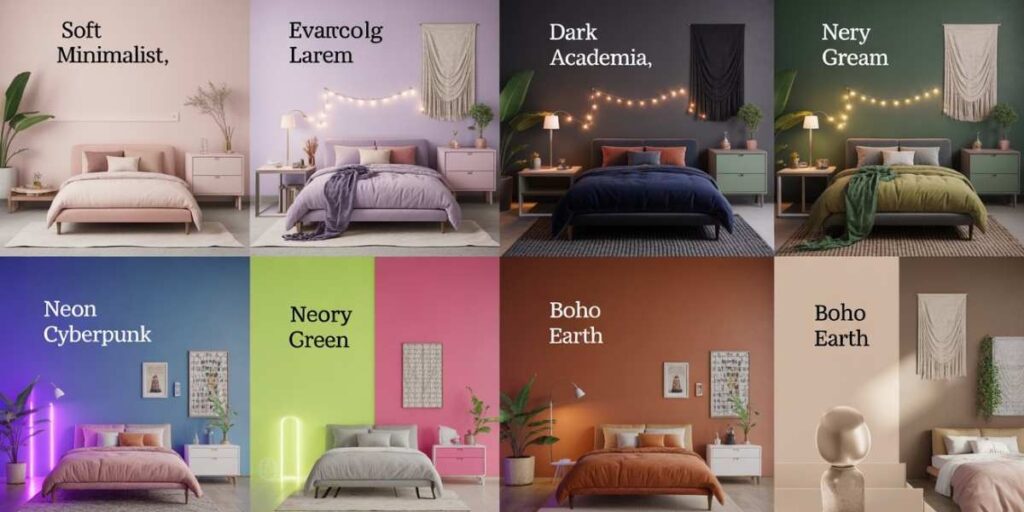
1. Soft / Coquette
Palette: white, blush pink, cream, touches of sage. Key pieces: ruffled or lace-trim bedding, a bow or ribbon details on the mirror and lamps, pearl or floral garlands, a vintage-style vanity corner with a small oval mirror, plush cushions in one or two shapes. Lighting: warm fairy lights and a soft white lamp, never blue-white LEDs. The style fails when the pink multiplies into five shades; keep two.
2. Grunge / Indie Sleaze
Palette: black, washed grey, deep red or burgundy, faded band-poster colors. Key pieces: dark or plaid bedding, posters unframed or in cheap black frames (intentionally raw), a record player or fake vinyl wall, chunky knit or flannel throw, sticker-covered anything. Lighting: dim warm lamps, one red or amber LED accent. The line between grunge and messy is the floor and the bed: keep both clear and made, and the chaos on the walls reads as style.
3. Dark Academia
Palette: espresso brown, charcoal, cream, antique gold, deep green. Key pieces: dark wood or wood-look furniture, a gallery wall of classical art prints and maps in mixed gold and black frames, books stacked visibly (this is the one style where book piles are decor), a banker-style or candle-style lamp, plaid or houndstooth throw. Lighting: warm and low, 2700K, lamps rather than ceiling light.
4. Y2K
Palette: silver, baby blue, bubblegum pink, lilac, white. Key pieces: chrome and clear acrylic accessories, an inflatable or acrylic chair if space allows, butterfly and star motifs, CD-wall or disc mirrors, a beaded curtain on the closet or window, posters with chrome-era pop imagery. Lighting: color-changing LED strips are native to this style; set them to blue-pink gradients rather than rainbow cycling.
5. Cottagecore
Palette: cream, sage, dusty rose, warm wood, floral prints. Key pieces: floral or gingham bedding, dried flowers and faux vines (kept to two surfaces maximum), lace or linen curtains, woven baskets, a reading corner with a cushion stack and a small lamp, framed botanical prints. Lighting: warm string lights and candle-style lamps. Cottagecore is the most object-heavy style here; the editing rule is that every surface keeps one third empty.
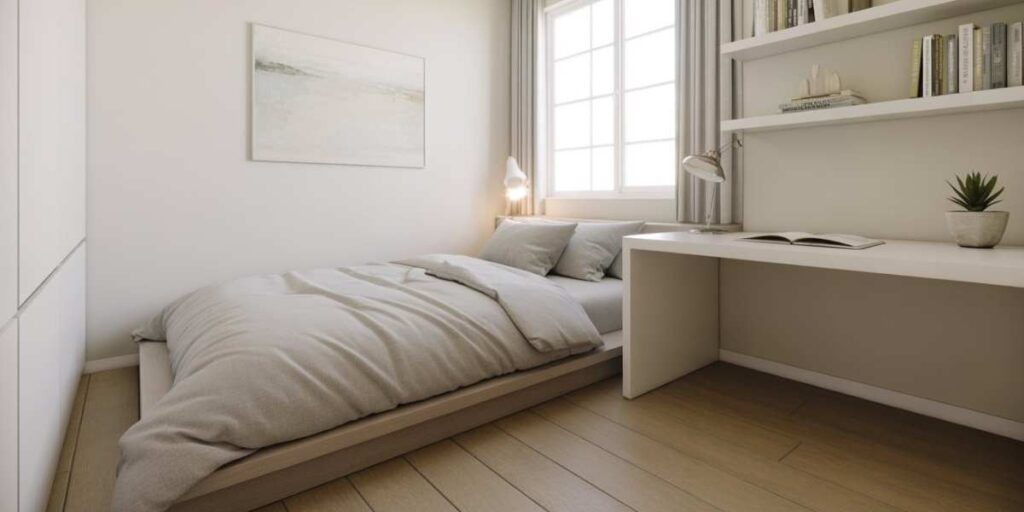
6. Minimalist / Clean
Palette: white, warm grey, one muted accent (sage, clay or powder blue). Key pieces: plain bedding in one color with one textured throw, closed storage for everything visible, one framed print or one poster, a tidy desk with a single lamp and one plant. Lighting: daylight-sheer curtains and one warm lamp. When in doubt, remove one thing. This is the style parents vote for, and the hardest to keep, because it has nowhere to hide a mess. Our led room decor ideas guide helps if you want the clean look with a light feature.
7. Retro / Vintage
Palette: burnt orange, mustard, avocado or teal, warm browns. Key pieces: a sunset or retro-wave poster as the color source, corduroy or velvet cushions, a lava lamp or mushroom lamp, vinyl and cassette displays, thrifted wood furniture left unpainted. Lighting: amber and warm, mushroom lamps and string lights over strips. Retro mixes decades happily, but the palette must stay in the warm family or it turns into a thrift-store accident.
8. K-Pop / Cute Collector
Palette: white base with the accent colors of the room owner’s chosen group or era, often pastel. Key pieces: display shelves for albums and photocards in binders or acrylic frames, a lightstick display spot, poster and postcard grids measured and aligned (alignment is what makes this look designed), plush arranged on the bed in a group, not a swarm. Lighting: bright, clean white for the display wall, with LED strips framing the shelf run.
The Elements Every Style Shares
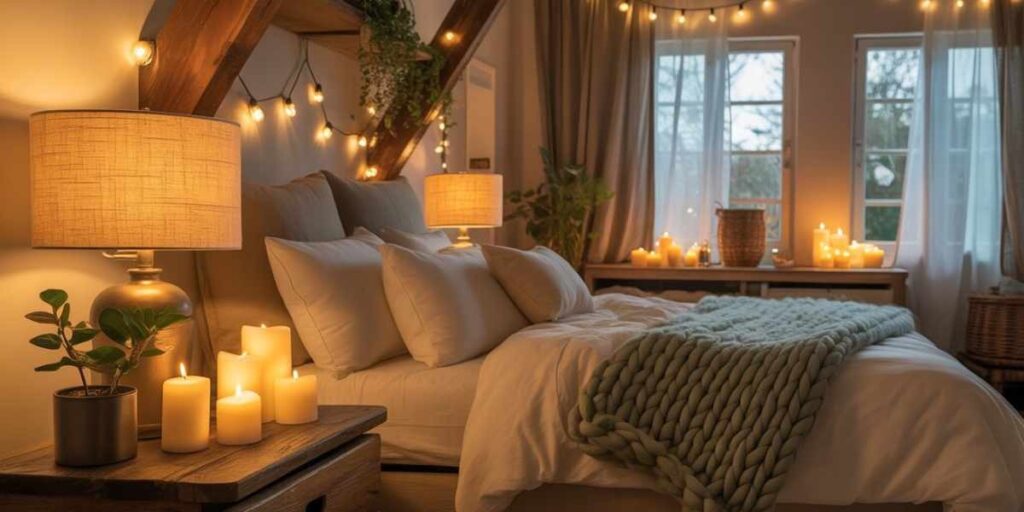
- Bedding is 50 percent of the room. Every style above starts with the bed: one base set in the palette, one throw, cushions capped at three to five. Change the bedding and the room changes style in an afternoon.
- A photo or poster wall with a plan: one grid, one tape style (washi in the palette, or clips, or all-framed), aligned edges. Random angles are only native to grunge.
- Lighting at two heights: something at desk level and something low or strung. Ceiling light alone kills every aesthetic on this list.
- One scent and texture note: a candle where allowed, or a reed diffuser, and one soft texture (faux fur, knit, velvet) repeated twice.
Mixing Two Styles Without a Mess
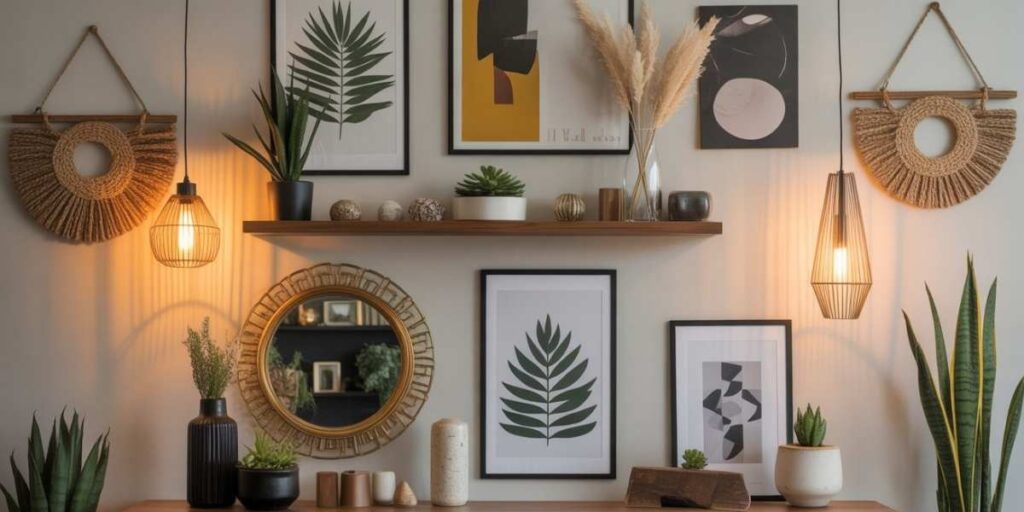
Mix by 80/20: one base style at 80 percent, the guest style visible in two or three pieces only. Soft plus minimalist works (both light palettes). Grunge plus dark academia works (both dark). Cottagecore plus Y2K almost never works, because their palettes and textures fight. If two styles tie in the three-question test, choose by palette temperature: warm with warm, cool with cool.
Budget Tiers
- Under $50: bedding set or throw in the palette, one poster set, fairy lights or a strip, washi tape and clips for the wall. This tier alone establishes the style.
- Around $150: add the lamp the style calls for, cushions, curtains, and the frames or shelves for the display wall.
- $300 plus: the chair, the vanity or desk upgrade, and quality versions of the style’s signature piece. Above this tier, spending goes on furniture, not more decor.
Making It: DIY Where It Counts
The signature pieces of most styles can be made or thrifted: poster grids, painted frames, garlands, cushion covers, a headboard from foam and fabric. The step-by-step projects live in our DIY teenage bedroom ideas guide; use this style guide to choose the look, then that one to build it cheaply.

Parent-Teen Ground Rules That Prevent Fights
- Walls: agree the damage level first, removable strips and washi tape, or pins, or paint. Most aesthetics survive fine on removable methods.
- One wall is the teen’s canvas; the agreement most families find workable is full freedom on the poster wall and shared say on furniture and paint.
- A style budget with a number beats a style argument without one. Tiers above give the conversation a shape.
Common Mistakes
- Five aesthetics at once. The room ends up with no style, just inventory.
- Buying decor before bedding and lighting. The two biggest surfaces decide the look; the small pieces follow.
- LED strips in rainbow cycle as the only light. Every style has a light temperature and a setting; rainbow is none of them.
- Posters with no alignment or frame plan, outside grunge, where it is the plan.
- Copying a photo of a room three times the size. Scale the style, fewer and bigger pieces, instead of shrinking every element.
Final Thoughts
Choose one named style, hold its palette, dress the bed first, light it at two heights, and let one wall carry the personality. That is the whole secret behind every aesthetic teen room worth saving a photo of.
Frequently Asked Questions
What is the most popular aesthetic for teen rooms?
Soft/coquette and minimalist styles are the most requested for their light palettes and low clutter, with dark academia and Y2K close behind. Popularity matters less than fit: use the three-question test (your colors, bright or moody, how much stuff you own) and pick the style that matches your habits.
How can I make my room aesthetic on a small budget?
Start with bedding in the style’s palette, one poster or photo wall with aligned edges, and fairy lights or an LED strip set to the style’s color. Under $50 spent in that order establishes the look; everything else is layering.
How do I decorate a teen room without damaging the walls?
Use removable adhesive strips and hooks rated for posters and light frames, washi tape for unframed prints, leaning frames on shelves, and curtain-clip garlands. Every style in this guide can be done with zero holes.
Can I mix two aesthetic styles in one room?
Yes, at roughly 80/20: one base style everywhere, the second style in two or three pieces only, and only when their palettes share a temperature (warm with warm, cool with cool). Even splits of two styles are what make rooms look undecided.
What lighting makes a room look aesthetic?
Two light sources at different heights, matched to the style: warm fairy lights and lamps for soft, cottagecore and academia; color-set LED strips for Y2K and K-pop; dim warm lamps for grunge. The ceiling light alone flattens every style.

Hi, I’m Ashir Zahid! I’m a home décor writer and creative enthusiast who loves finding simple and beautiful ways to make everyday spaces feel more comfortable and inviting. I enjoy exploring home styling ideas, practical decorating tips, and timeless trends that can work in real homes without making things feel complicated.
At DailyHomeVibe, I share easy-to-follow ideas for decorating different rooms, choosing the right colors and textures, and giving your home a fresh look with thoughtful details. My goal is to help readers find inspiration they can actually use, whether they are refreshing one small corner or giving their whole home a new feel.