
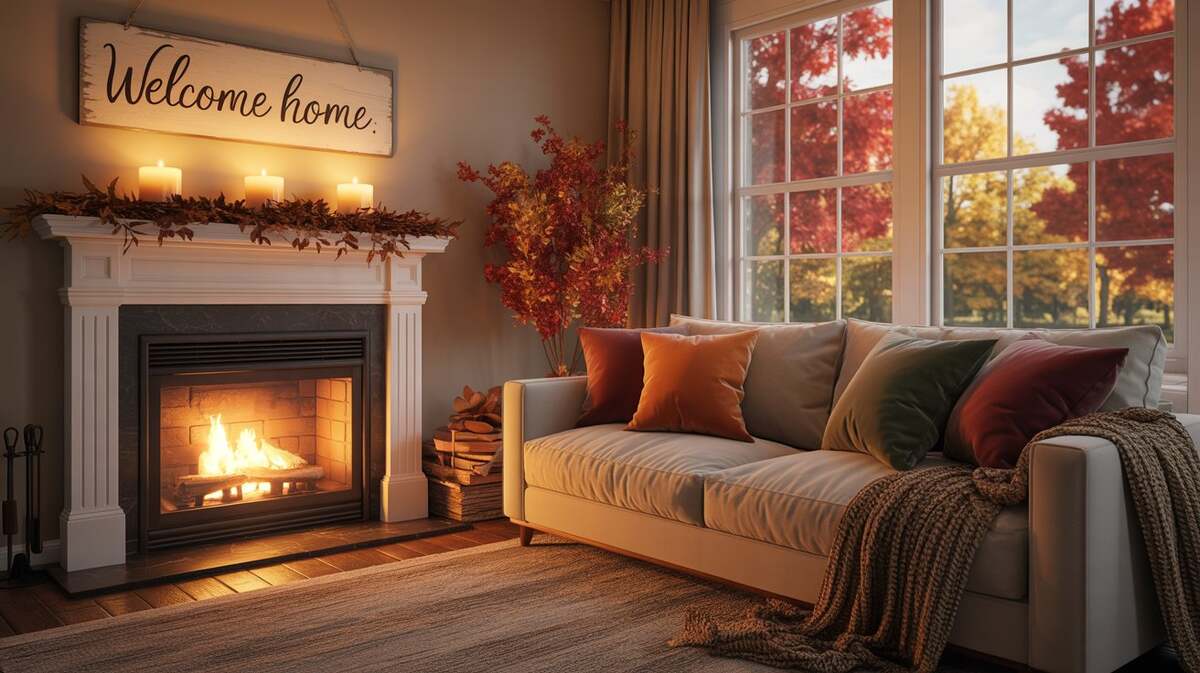
Seasonal decorating sounds exciting at first because changing a home for different times of the year can make rooms feel fresh, cozy, and welcoming. But after a few seasons, many people realize decorations can quickly become overwhelming. Storage bins start filling closets, random decorations pile up in corners, and the house slowly begins feeling crowded instead of comfortable.
I honestly went through the same thing after trying to decorate heavily for every season. At one point, I realized I was spending more time moving decorations around and storing them than actually enjoying my home. Over time, I learned that seasonal home decor usually looks much better when it feels intentional, simple, and connected to the space instead of trying to completely transform every room.
Why Seasonal Home Decor Starts Feeling Overwhelming
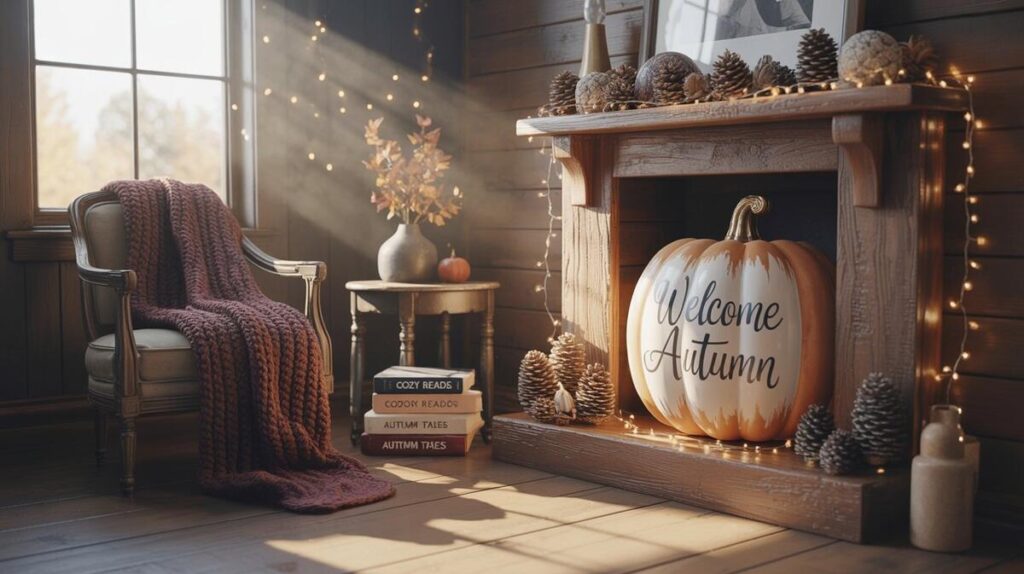
One of the biggest reasons seasonal decorating becomes stressful is that many people feel pressure to constantly buy new decorations every few months. Social media often makes homes look perfectly styled for every season, but real homes function differently.
After a while, too many decorations can make spaces feel visually busy instead of relaxing. Storage also becomes difficult when large bins of unused decor start taking over closets, garages, or shelves.
I noticed my home felt calmer once I stopped treating seasonal decorating like a complete redesign project. Small seasonal changes often create a stronger atmosphere than filling every surface with themed items.
Start With Small Seasonal Changes

One thing that helped me most was focusing on smaller decorative updates instead of replacing entire rooms every season. Swapping pillow covers, candles, table runners, or small greenery pieces can completely change the mood of a room without creating unnecessary clutter.
For example, warmer textures and earthy colors usually work beautifully during fall, while lighter fabrics and fresh greenery feel more natural during spring and summer.
Once I started making smaller seasonal adjustments, decorating became less stressful and, honestly, looked more realistic and comfortable.
Choose Colors That Work Across Multiple Seasons
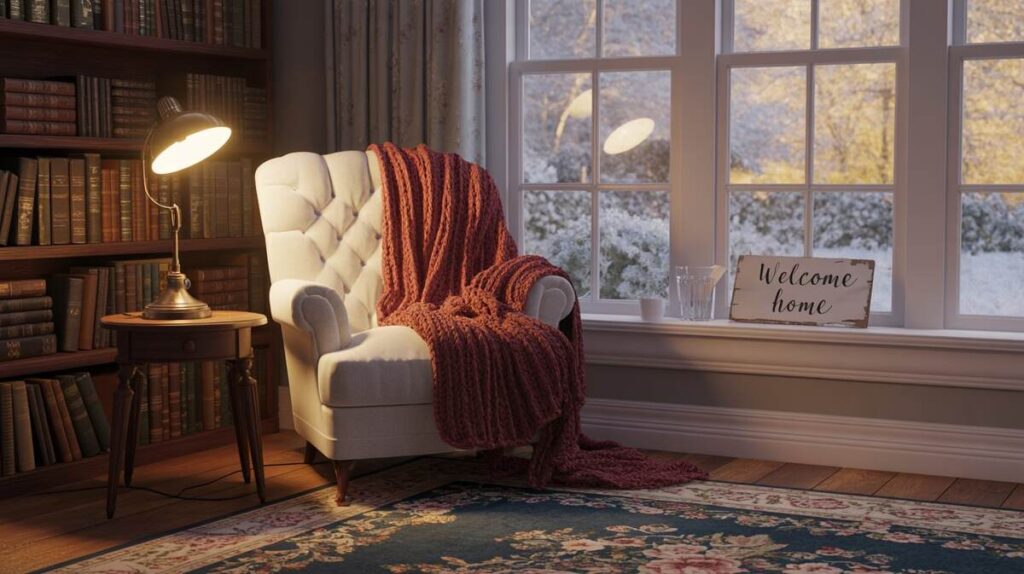
A simple color palette makes seasonal decorating much easier to manage. Neutral colors like cream, beige, white, soft gray, brown, olive, and muted green can transition across different seasons without requiring completely new decor collections.
Instead of buying highly specific decorations for every holiday or season, I found it more practical to use versatile pieces that work year-round. Candles, textured blankets, woven baskets, simple vases, and natural greenery often blend easily into multiple seasonal styles.
This approach also keeps rooms looking more balanced instead of overly themed.
Rotate Decor Instead of Buying New Items Every Year
One mistake many people make is continuously buying new decorations every season without rotating older pieces. Over time, this creates unnecessary clutter and makes storage harder to manage.
I eventually started keeping only a smaller collection of seasonal decor that I genuinely enjoyed using. Rotating favorite pieces each season actually made decorating feel more intentional because the home changed gradually without becoming crowded.
Interestingly, using fewer decorations often made individual pieces stand out more.
How I Keep Seasonal Decor From Looking Cluttered
The biggest change for me happened when I stopped decorating every empty surface. At one point, I thought more decorations automatically created a cozier atmosphere, but the opposite usually happened.
Now I focus mainly on:
- entry tables
- coffee tables
- shelves
- dining spaces
- small corners with natural lighting
Keeping some areas visually open helps seasonal accents feel more noticeable instead of overwhelming the room.
I also realized layered textures usually create a stronger seasonal feeling than excessive decorations. Soft blankets, warm lighting, wood tones, greenery, and candles often make a home feel seasonal naturally without needing dozens of themed items everywhere.
Storage Tips That Actually Help
Storage becomes one of the biggest frustrations with seasonal decorating if everything gets mixed together randomly.
Clear storage containers honestly made a huge difference for me because I could quickly see what was inside without opening multiple boxes. Labeling containers by season also saves time later.
Another thing I learned was to stop storing decorations I no longer used. Keeping too many unused seasonal items only creates clutter that returns every year.
Now I try to keep only decorations that:
- fit my space
- still match my style
- feel useful
- actually get displayed
That simple approach made storage much easier to manage.
Decorating Small Spaces for Different Seasons
Seasonal decorating can feel especially difficult in apartments or smaller homes because large decorations quickly overwhelm the space.
In smaller rooms, subtle changes usually work best. Things like:
- seasonal candles
- lightweight blankets
- fresh flowers
- mini wreaths
- table accents
- textured pillows
can create a seasonal atmosphere without taking over the room.
I noticed smaller spaces actually benefit more from minimal seasonal styling because too many decorations can make rooms feel visually crowded very quickly.
Affordable Ways to Refresh Seasonal Decor
Seasonal decorating does not always require buying expensive new collections every year. Some of the best seasonal updates honestly come from simple changes using items already available at home.
Rearranging furniture slightly, changing pillow covers, adding greenery, using warm lighting, or switching table decor can refresh a room without major spending.
Natural elements also work beautifully for seasonal decorating. Branches, dried flowers, pinecones, seasonal fruit bowls, woven textures, and fresh greenery often create a more authentic look than overly decorative plastic items.
Over time, I realized affordable decorating usually feels more personal and comfortable than trying to copy highly staged online spaces.
Common Mistakes That Make Seasonal Decor Feel Messy
One common mistake is trying to decorate every room heavily at the same time. This often creates visual clutter and makes the home feel crowded.
Another issue happens when decorations do not match the existing style of the home. Seasonal decor usually looks best when it blends naturally with the room instead of competing with it.
I also learned that oversized decorations can overwhelm smaller spaces very quickly. Keeping seasonal accents balanced with the size of the room usually creates a cleaner and more relaxing atmosphere.
Final Thoughts
Learning how to handle seasonal home decor becomes much easier once decorating feels less connected to perfection and more connected to comfort. Small thoughtful changes often create a stronger seasonal atmosphere than constantly buying large amounts of new decorations.
Over time, I found that seasonal decorating works best when the home still feels calm, functional, and easy to live in. Instead of trying to recreate perfectly styled internet spaces, focusing on warmth, texture, and realistic comfort usually creates a home that feels far more inviting throughout every season.

Hi, I’m Ashir Zahid! I’m a home décor writer and creative enthusiast who loves finding simple and beautiful ways to make everyday spaces feel more comfortable and inviting. I enjoy exploring home styling ideas, practical decorating tips, and timeless trends that can work in real homes without making things feel complicated.
At DailyHomeVibe, I share easy-to-follow ideas for decorating different rooms, choosing the right colors and textures, and giving your home a fresh look with thoughtful details. My goal is to help readers find inspiration they can actually use, whether they are refreshing one small corner or giving their whole home a new feel.