
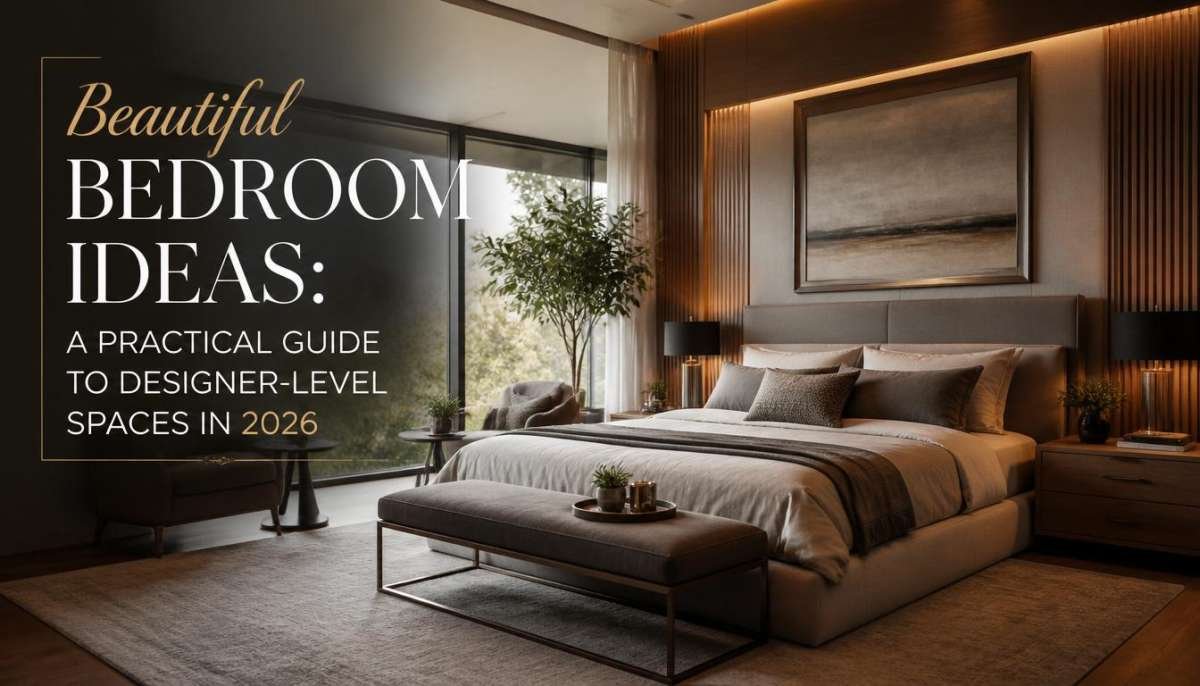
Most beautiful bedroom ideas fail for one simple reason: they copy the finished look without understanding why it works. A gorgeous headboard or a perfectly styled nightstand means nothing if the bones of the room, the layout, the proportions, the light, aren’t right first.
This guide breaks that down properly. You’ll get the actual framework designers use, the real 2026 shifts worth knowing about, and the practical fixes for small or awkward spaces, not just a photo dump of rooms you can’t quite recreate.
What Actually Makes a Bedroom Look Beautiful
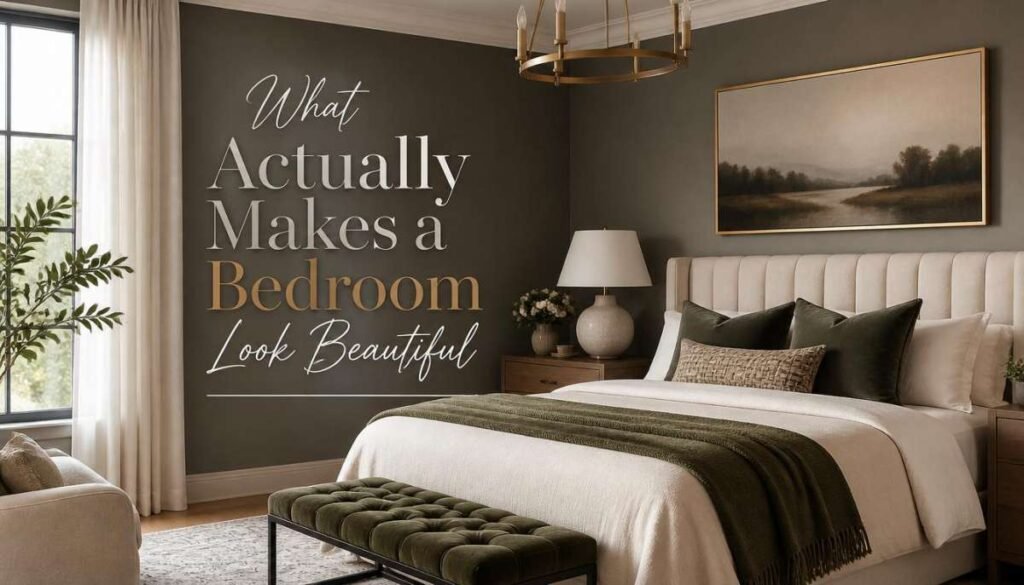
A beautiful bedroom comes down to three things working together: a clear focal point, a consistent palette, and enough breathing room for the eye to rest. Miss any one, and even expensive furniture ends up looking scattered.
The focal point is usually the bed, the largest object in the room and the first thing anyone notices. Everything else should support it rather than compete with it, a room with five equally loud elements reads as chaotic no matter how nice each piece is.
Palette consistency matters too. Two or three colors, repeated deliberately across walls, bedding, and accents, create cohesion that a different color in every corner never quite achieves.
And breathing room, the empty space between objects, is what separates a styled room from a cluttered one. It’s usually the first thing that disappears when someone tries too hard to make a room look done.
Start With the Foundation: Furniture and Layout
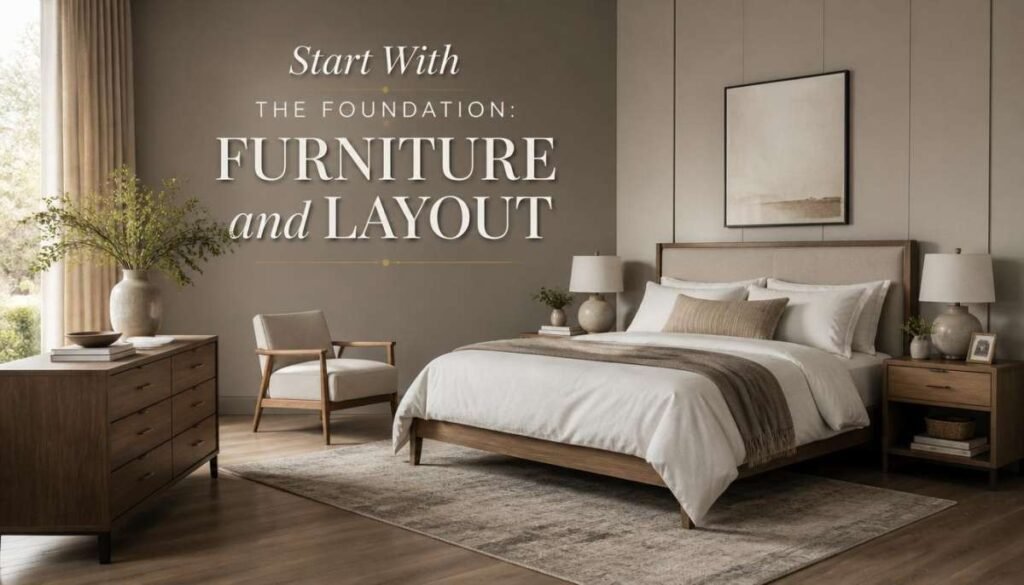
Before any styling happens, the layout has to work. This is the step that gets skipped most, and it’s usually why a room feels “off” even when the decor itself is nice.
Choosing a Bed That Anchors the Room
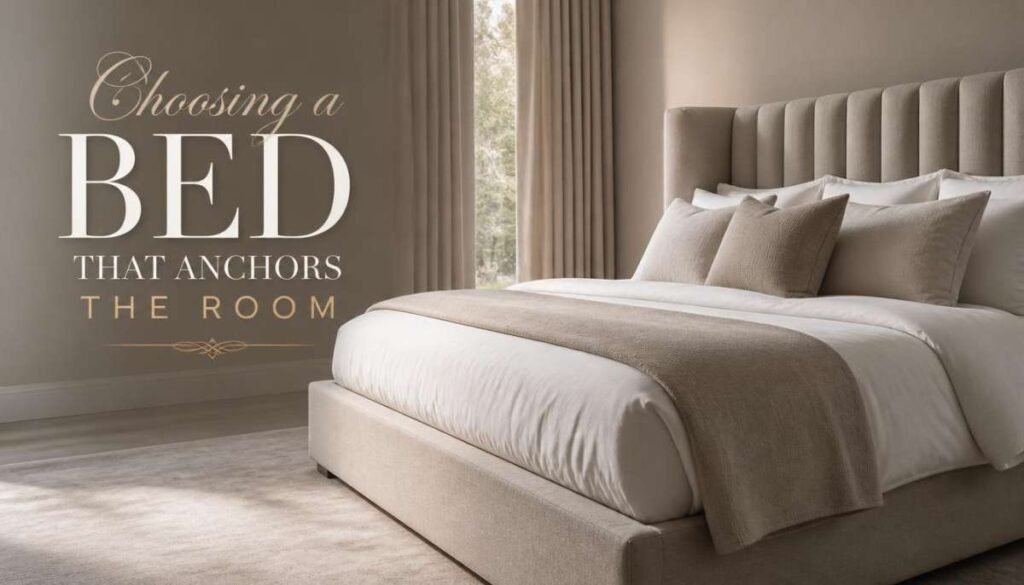
The bed should feel proportional to the room, not so small it looks lost, not so large it blocks natural walking paths. A general guide: leave at least 24 to 30 inches of clearance on the sides you walk around daily, and closer to 36 inches near closets or dressers you use often.
Leaving Room to Breathe
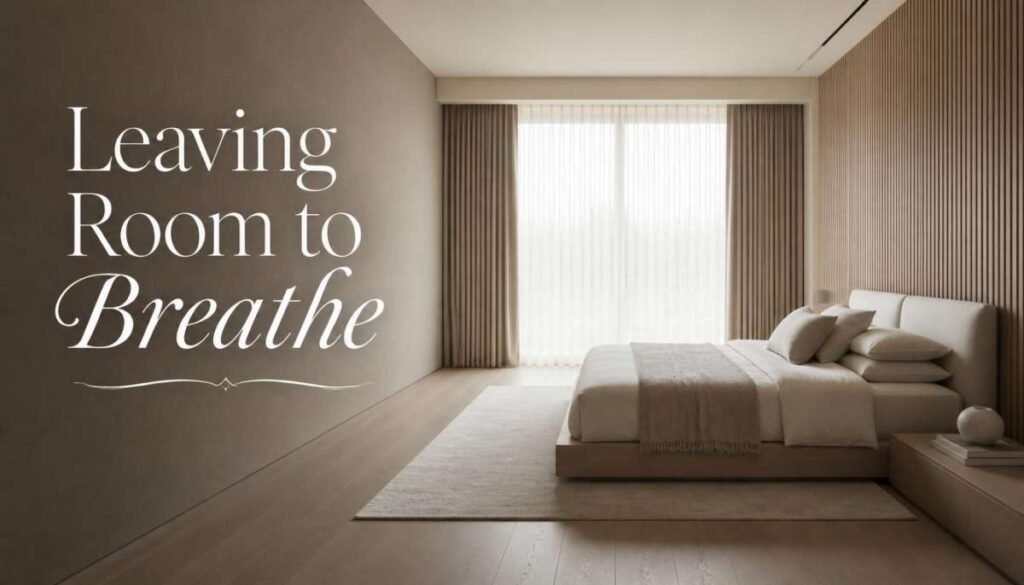
Furniture pushed flush against every wall often makes a room feel smaller, not bigger. Floating a dresser or a bench slightly away from the wall, or leaving one wall intentionally bare, gives the room somewhere to exhale visually instead of feeling boxed in on all sides.
The One Design Rule That Works in Every Room
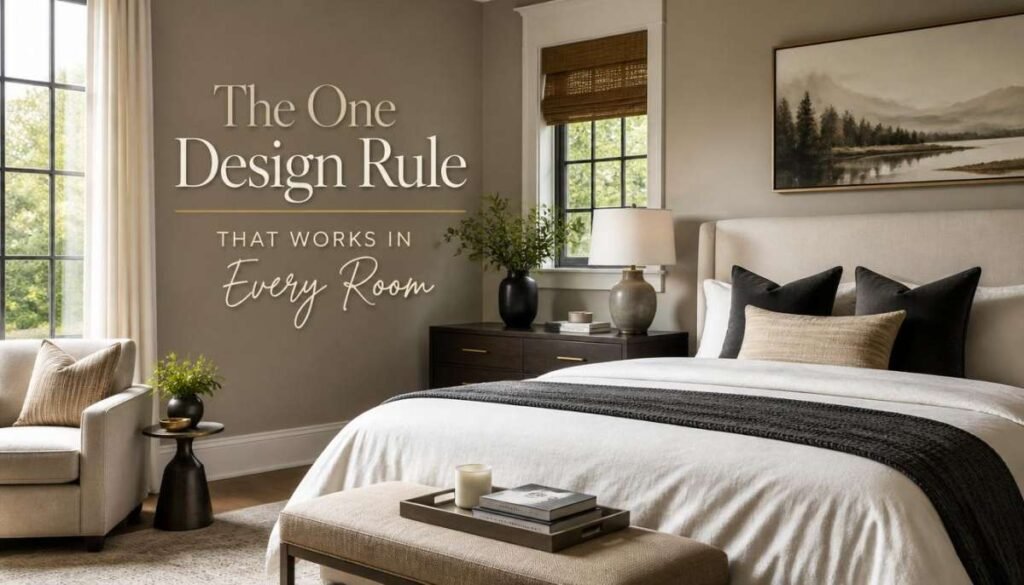
Here’s a principle that shows up in nearly every genuinely beautiful room, regardless of style: something in the space should feel collected rather than purchased all at once. A single vintage piece, an inherited object, something with a little history, breaks up the “showroom” feeling that a perfectly matched, everything-bought-together room almost always has.
How It Shows Up in a Bedroom
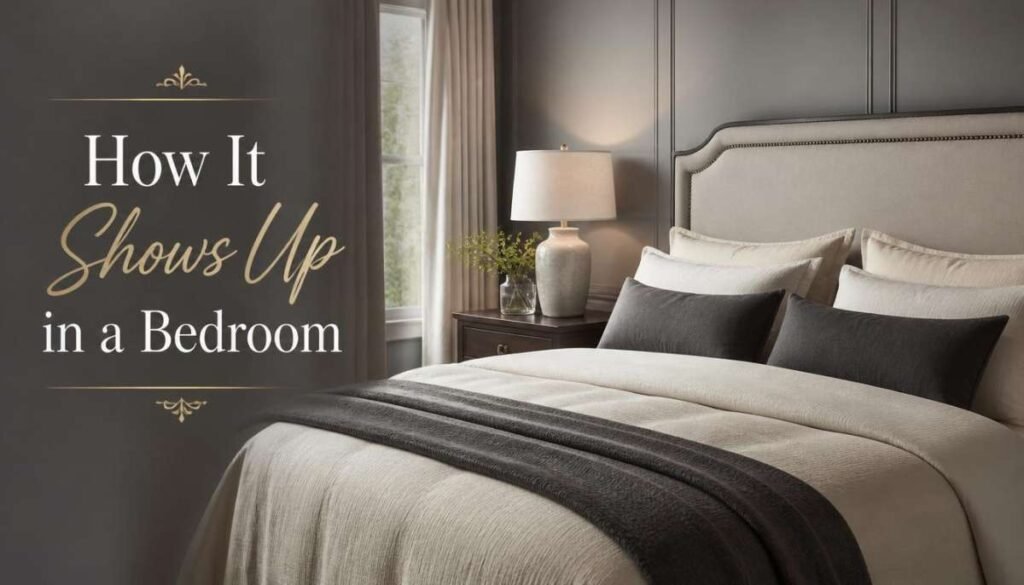
A weathered wood nightstand next to a modern bed frame, or a vintage mirror leaning against the wall instead of a store-bought one mounted straight, gives the room a sense of having evolved over time rather than being assembled in a weekend.
How It Shows Up in a Living Room
The same idea plays out with an inherited armchair reupholstered in a new fabric, or a flea-market coffee table paired with newer furniture, one piece that clearly wasn’t bought as part of a matching set.
AlsoRead : Living Room Xmas Decor Ideas That Make Your Home Feel Warm and Magical
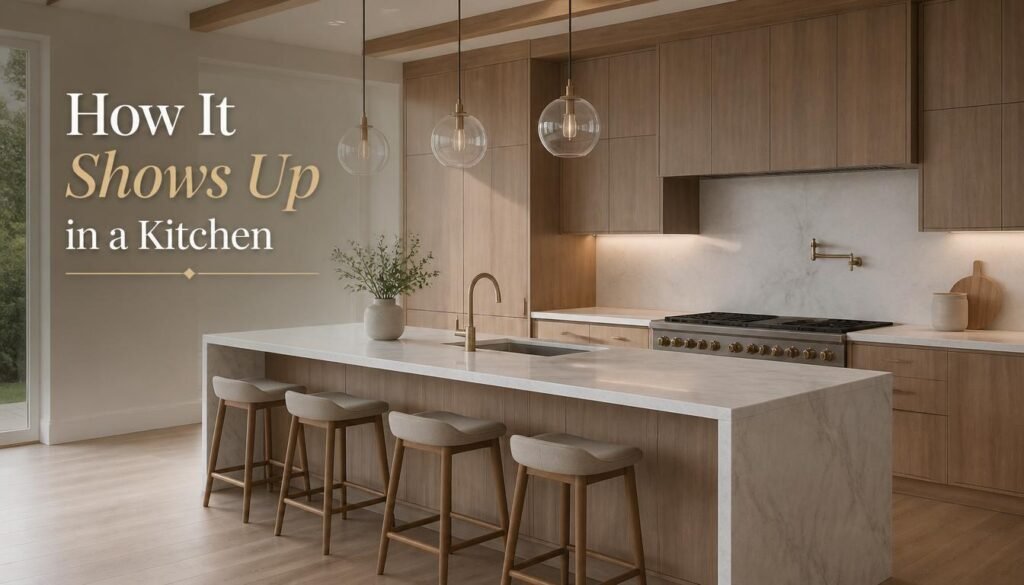
How It Shows Up in a Kitchen
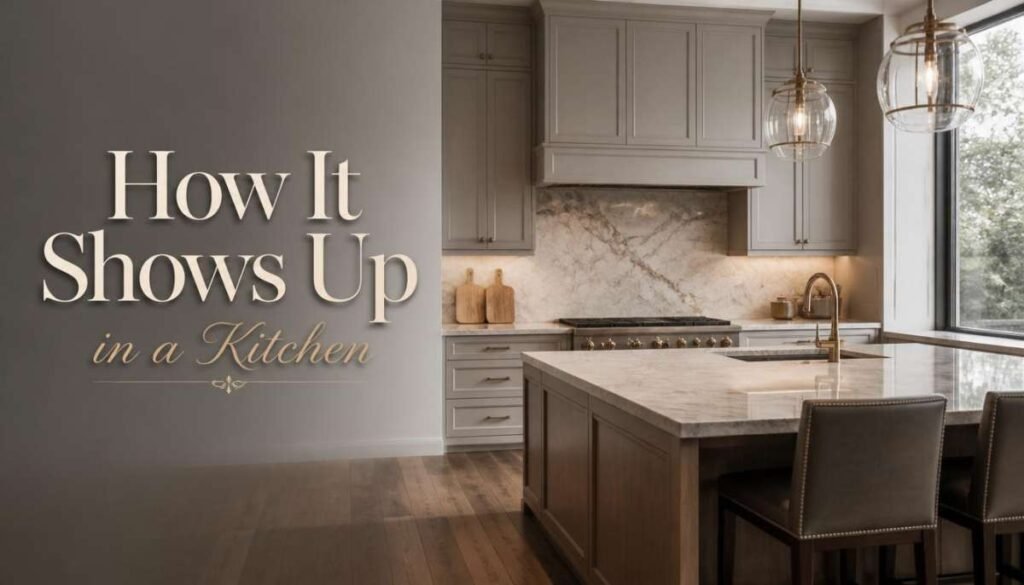
Even here, it holds: open shelving with a mix of new dishware and older, collected pieces (a set of vintage glasses, a hand-thrown bowl) reads as far more personal than a kitchen where every item came from the same store on the same day.
Color and Mood: 2026’s Shift Toward Warmth
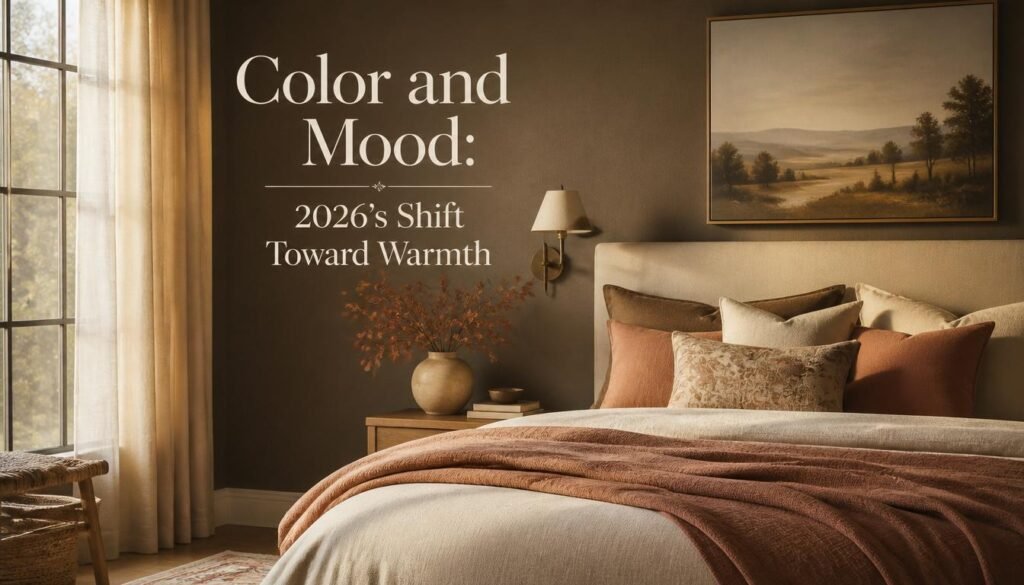
Bedroom color palettes are moving in a clear direction this year, away from the crisp, cool neutrals that dominated for a while.
Earthy Cocooning
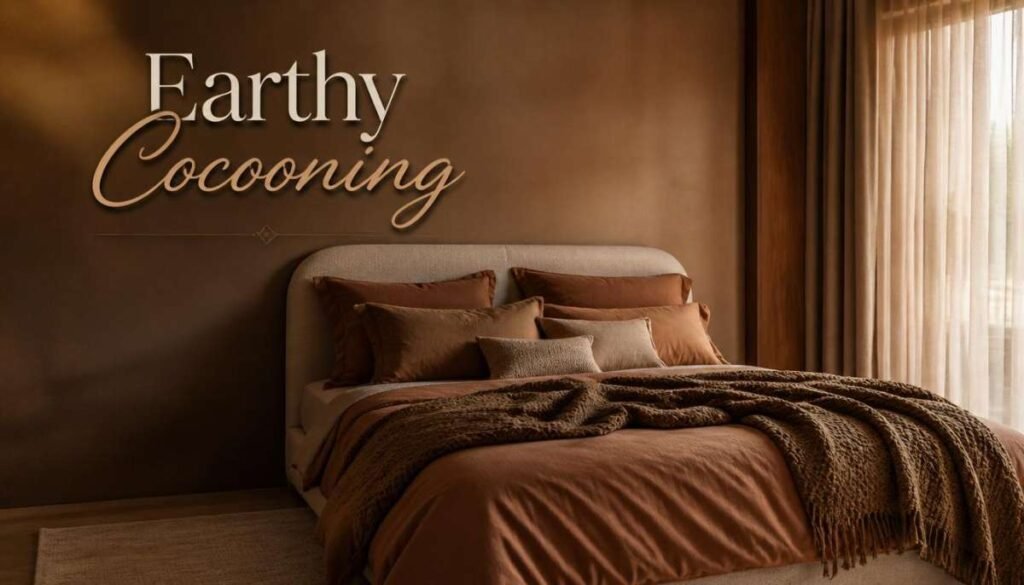
Designers are increasingly describing this year’s palette as “earthy cocooning,” warm cocoa browns, clay tones, and soft caramels replacing the starker whites and cool grays of recent years. The goal is a room that feels like a deep exhale rather than a clean slate.
Deep, Jewel-Toned Accents Done Right
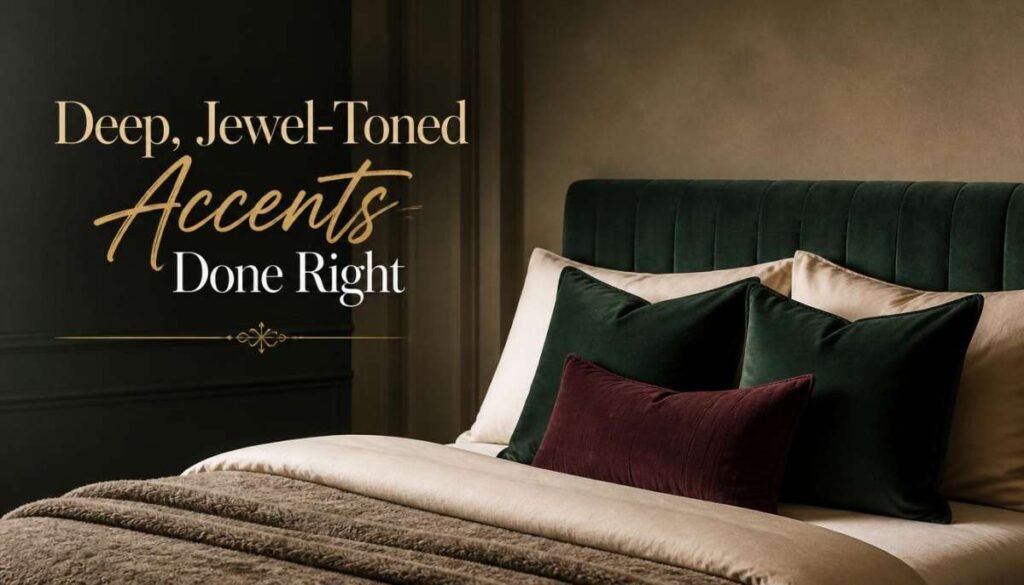
Rich colors, burgundy, deep forest green, ink blue, are showing up more as accent walls, bedding, or drapery rather than full-room commitments. Used in one or two places rather than everywhere, a deep tone adds drama without making the room feel smaller or heavier than it should.
Named Bedroom Styles to Draw Inspiration From
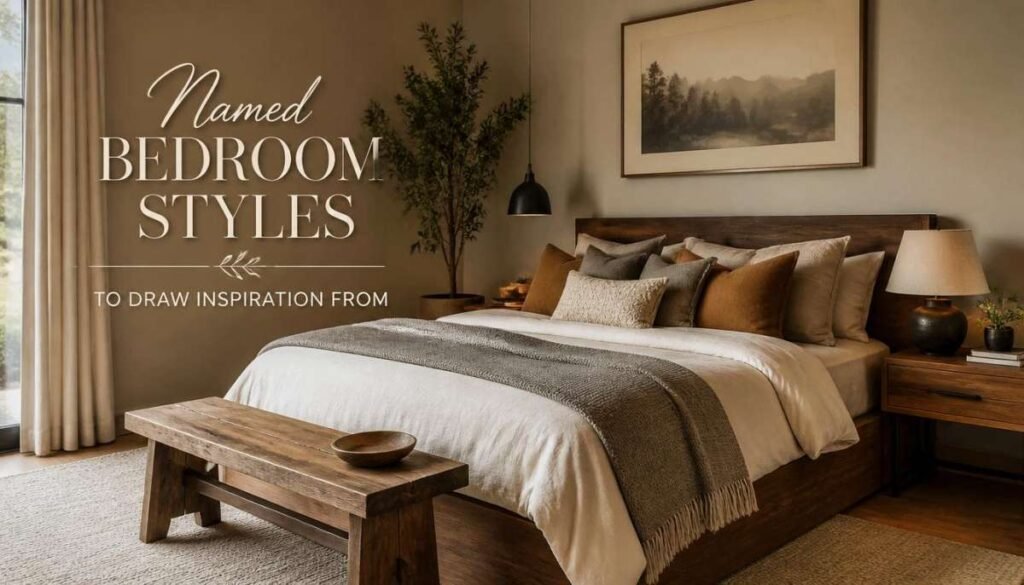
Beyond color, a few distinct bedroom moods keep showing up in 2026 design coverage, each with its own clear identity.
The Well-Worn Bedroom
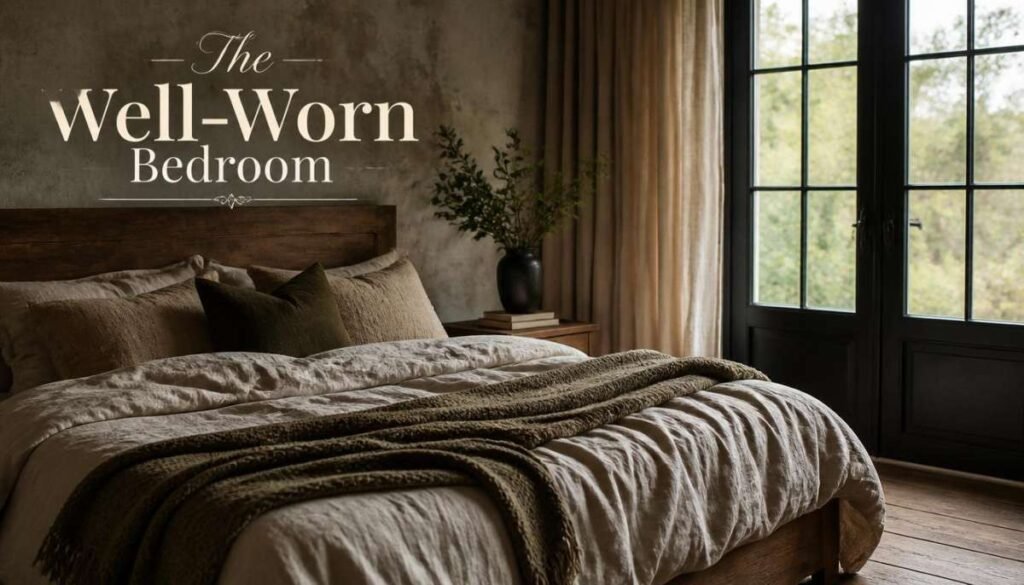
Built around mixed eras and finishes rather than a single matched set, this style leans on the something collected principle mentioned earlier, but as the entire organizing idea for the room rather than just one accent piece. Nothing here looks brand new, even the newer pieces.
The Barefoot-Morning Bedroom
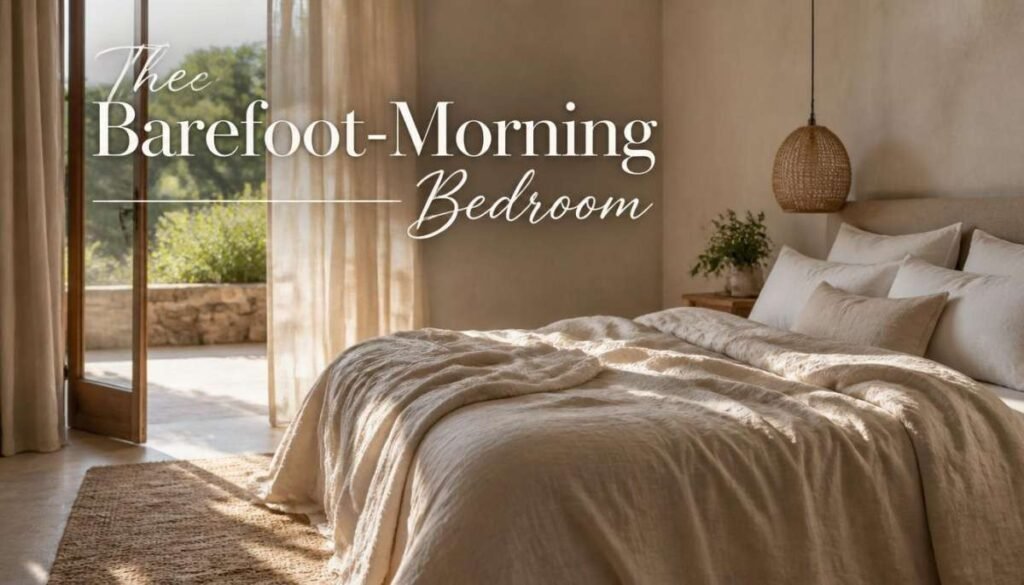
Light woods, soft whites, and natural texture (linen, jute, rattan) keep this style feeling airy and unhurried, well suited to a room that needs to feel like a break from a busy home, the kind of space that makes you want to open the curtains slowly.
The Low-Light Retreat
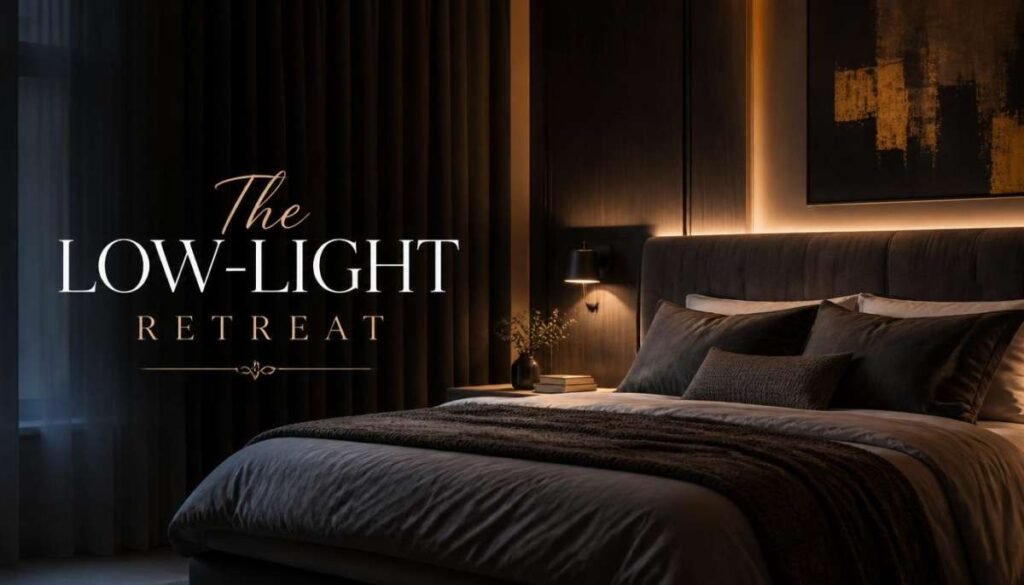
This is where 2026’s deep color trend shows up most fully, rich wall color, layered dark textiles, and warm, dim lighting for a room that feels enveloping rather than bright and open. It’s built for the hour right before sleep, not for daytime energy.
The Nothing-Extra Bedroom
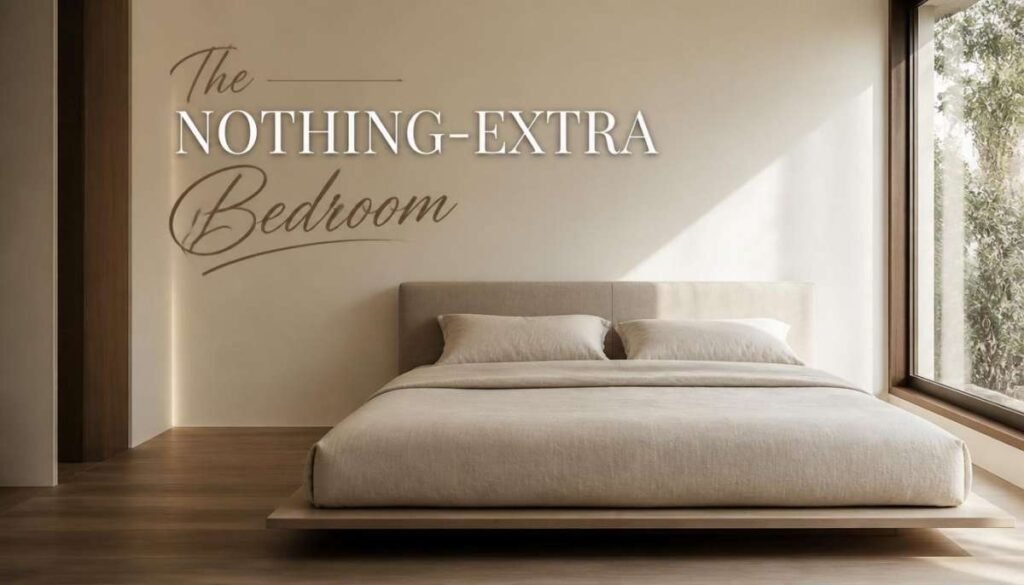
Clean lines, a tightly controlled palette, and very little on display. What is in the room earns its place, which makes this style forgiving for anyone who doesn’t want to manage a lot of decor upkeep, or who just doesn’t have the time for it.
Texture Layering: 2026’s Most-Repeated Designer Trick
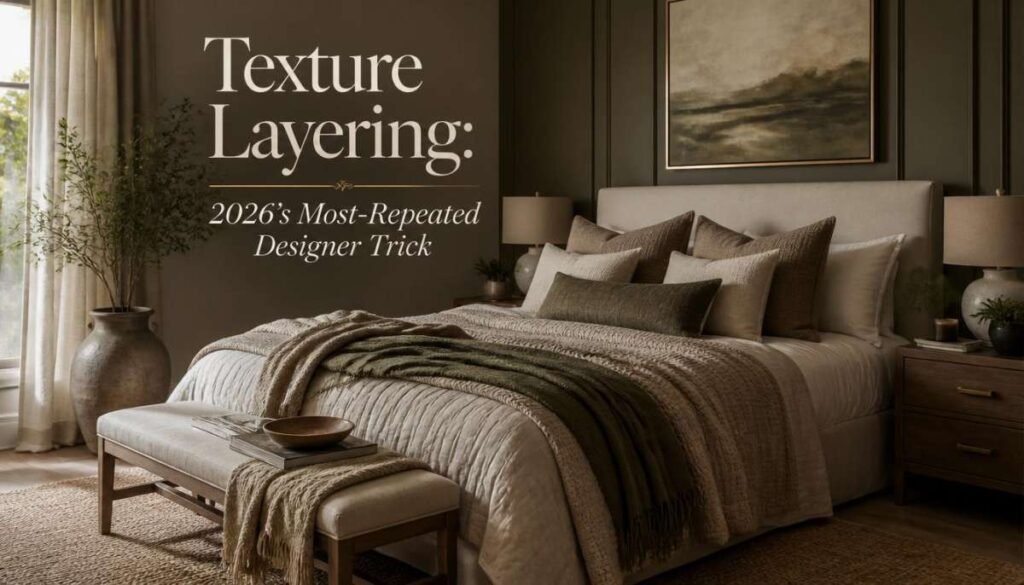
Almost every 2026 bedroom trend report circles back to one technique: layering texture rather than relying on color or pattern alone.
Layered Rugs Done Right
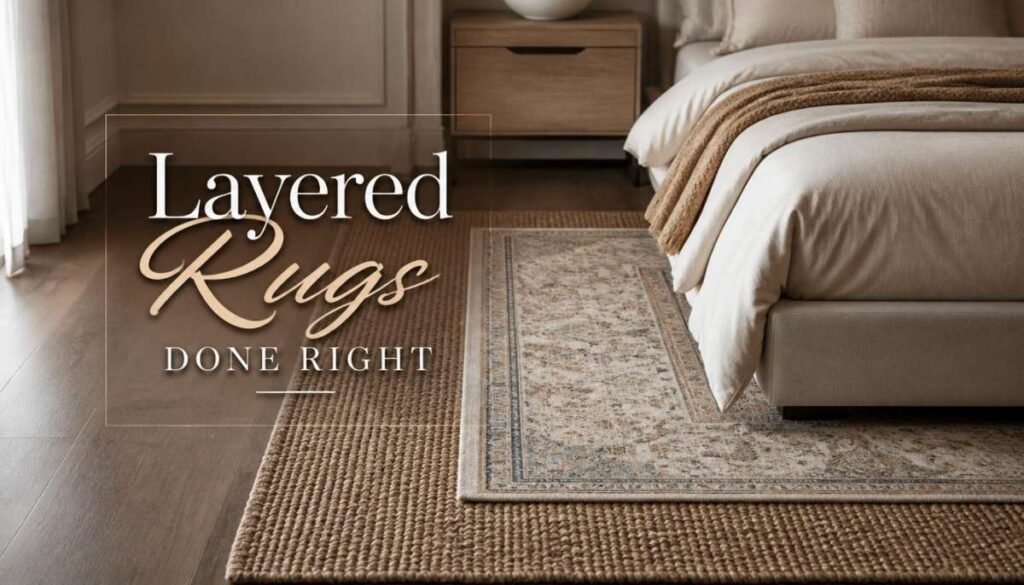
Placing a smaller, more textured rug (like a flatweave or a patterned piece) over a larger, simpler base rug adds depth to the floor the same way layered bedding does to the bed. It reads as intentional rather than mismatched when the two rugs share at least one common tone.
Statement Headboards With Tactile Fabric
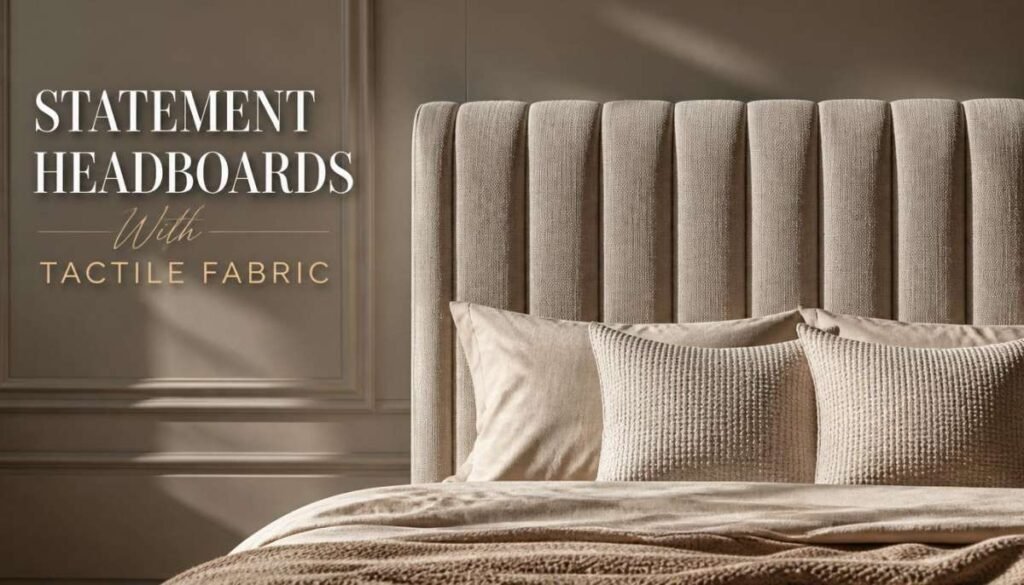
A headboard upholstered in a tactile fabric, bouclé, wool blend, or performance velvet, does double duty as both a focal point and a texture layer. Sizing it appropriately to the bed and ceiling height keeps it feeling proportional rather than oversized.
The Overlooked Fifth Wall: Ceiling Treatments
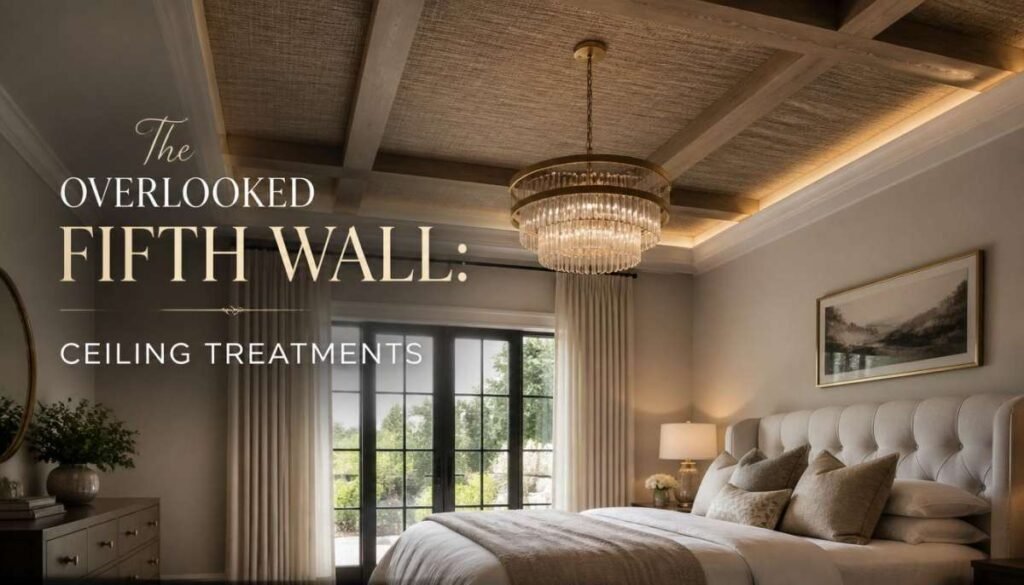
The ceiling is the one surface most bedrooms leave completely untouched, and it’s becoming one of the more talked-about opportunities in 2026 design coverage. A patterned wallpaper, a painted color, or simply a different finish overhead adds depth to a room without taking up any floor space at all. This works especially well in a room that otherwise feels a little flat, since it draws the eye upward instead of just around the walls.
Quick Reference: The 2026 Shift at a Glance
| Element | Previous Trend | 2026 Shift |
| Color palette | Cool grays, crisp white | Earthy cocoa, clay, warm caramel |
| Rugs | Single flat layer | Two layered rugs, shared tone |
| Headboard | Simple upholstered panel | Sculptural, tactile fabric (bouclé, velvet) |
| Ceiling | Left plain | Wallpapered or painted as a design feature |
| Furniture style | Fully matched sets | Mixed, collected-over-time pieces |
Small Bedroom? Here’s What Changes
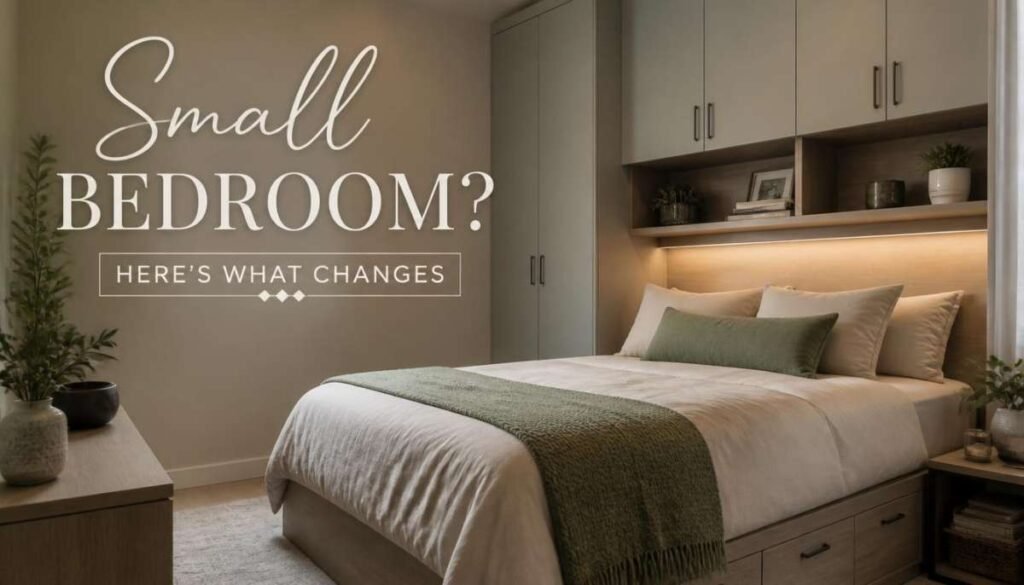
The core principles still apply in a small room, but a few adjustments make a real difference.
Lighter, warmer neutrals tend to work better than the deep, moody tones covered earlier, since darker colors can make an already tight room feel smaller. Furniture with visible legs, rather than pieces that sit flush on the floor, keeps sightlines open and makes the room read as larger than it is.
And the “breathing room” principle from earlier matters even more here: a small room with less in it almost always looks better than a small room trying to fit everything a large one would.
Quick Reference: Style-to-Palette Cheat Sheet
| Bedroom Style | Best Palette | Best Texture Move |
| The Well-Worn Bedroom | Mixed warm neutrals | One vintage or inherited piece |
| The Barefoot-Morning Bedroom | Soft white, light wood | Linen, jute, rattan |
| The Low-Light Retreat | Burgundy, forest green, ink blue | Layered dark textiles |
| The Nothing-Extra Bedroom | Tight neutral palette | One tactile statement piece |
Quick Fixes and Common Mistakes
A short list of what actually moves the needle, and what tends to quietly undo it.
Worth doing:
- Pull furniture at least a few inches off the wall in one spot to create breathing room.
- Swap in warmer-toned lightbulbs for an instant mood shift, no renovation required.
- Find one item already in your home that feels “collected” rather than matched, and give it a more prominent spot.
Worth avoiding:
- Buying an entire matched furniture set. It’s convenient, but it often removes the “collected” quality that makes a room feel personal rather than staged.
- Ignoring proportion. A headboard, rug, or piece of art that’s noticeably too small or too large for the room undercuts everything else styled around it, no matter how good the individual pieces are.
FAQ Section
What makes a bedroom look beautiful?
A clear focal point (usually the bed), a consistent two-to-three color palette, and enough negative space for the room to feel calm rather than cluttered.
What are the biggest bedroom trends for 2026?
Warm, earthy palettes replacing cool neutrals, layered rugs and textures, statement headboards in tactile fabric, and textured ceiling treatments are among the most-repeated 2026 trends.
How do I make a small bedroom look beautiful?
Stick to lighter, warmer neutrals rather than deep tones, choose furniture with visible legs to keep sightlines open, and resist the urge to fill every corner.
Should bedroom furniture all match?
Not necessarily. A fully matched set can feel showroom-like. Mixing in at least one older, collected, or mismatched piece often makes a room feel more personal and intentional.
What’s an easy way to update a bedroom without a full redesign?
Layering in one new texture, swapping lightbulbs for a warmer tone, or repositioning furniture slightly off the wall can shift the whole feel of a room without any major purchases.

Hi, I’m Liam Alexander! As a home décor specialist for dailyhomevibe.com, I’m super passionate about bringing elegance and simplicity into modern living spaces. I love sharing smart design solutions, helping you optimize your space, and highlighting timeless trends to inspire you to create a home you truly love coming back to.